Sheefah Irambona
The moment a baby is born, a mother is born too. The woman existed before, but the mother is entirely new.
As we celebrated the women in our lives during Mother’s Day in May, our series The Fourth Trimester and Beyond shifted the focus to women entering motherhood, often expected to instinctively know what to do, how to cope, and how to navigate the weight of this life-changing transition with ease.
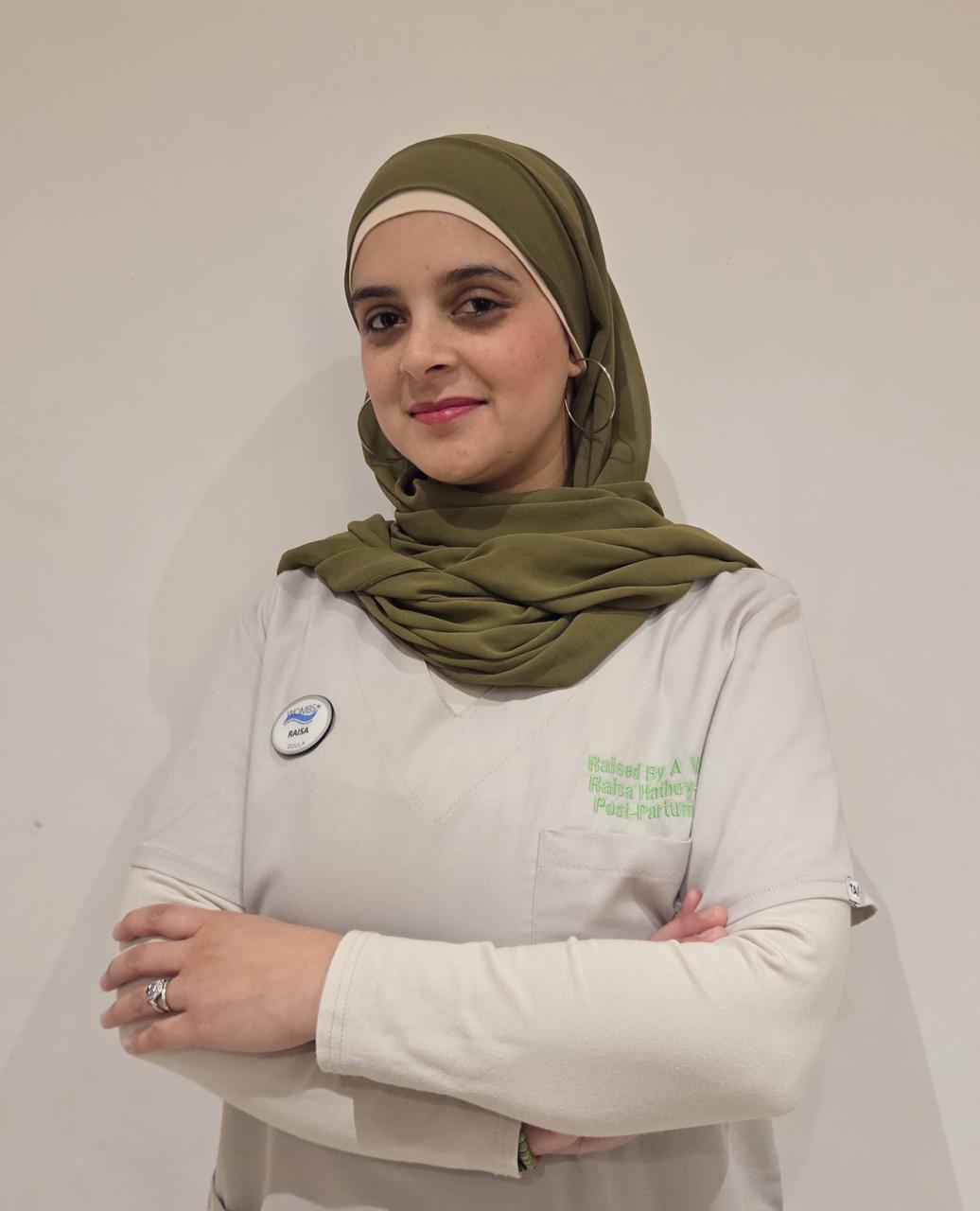
Joined by postpartum doula Raisa Hathey Jaffer, the series unpacked the emotional, physical, and psychological realities of motherhood beyond childbirth, creating space for conversations that many women quietly navigate alone.
The series began by exploring the importance of caring for the mother during the first 40 days after birth. Jaffer highlighted the critical role of support systems during this vulnerable period and the ways doulas, partners, families, and communities can help mothers adjust to their new identity. In many cultures, motherhood was never meant to be experienced in isolation. Mothers, too, need nurturing, care, and rest.
The conversation also emphasised the importance of trusting the body’s ability to heal and recognising that recovery is not linear. While society often expects women to “bounce back” shortly after childbirth, healing takes far longer than many realise. Recovery extends beyond the physical, encompassing hormonal, emotional, and mental wellbeing as women adapt to the profound changes that accompany motherhood.
One of the most powerful themes to emerge throughout the series was the understanding that a mother becomes her baby’s first teacher and emotional environment. As explored in Mother Hunger by Kelly McDaniel, babies enter the world entirely dependent on the emotional state of their caregivers. A mother’s stress, anxiety, sense of safety, and overall wellbeing can profoundly shape how a child experiences and responds to the world.
These conversations were necessary because they served as a reminder that while mothers pour endlessly into their children, they cannot continue pouring from an empty cup. Supporting mothers is not a luxury, it is foundational to the wellbeing of families, children, and society as a whole.
When we care for mothers, we do more than support one individual; we strengthen the very foundation upon which future generations are built.
For the full conversations, head to the VOC App.
Photo: Supplied/ Raisa Hathey Jaffer, Postpartum Doula.