Soaring fuel prices are forcing the taxi industry to demand urgent subsidy reform as transport costs threaten to rise, putting pressure on commuters.
Petrol is predicted to increase by R5 per litre, while diesel is expected to rise by more than R9 per litre, placing significant pressure on the public transport sector.
The South African National Taxi Council (SANTACO) in the Western Cape has warned that taxi fare increases may soon follow, as the anticipated hikes are set to take effect from Wednesday.
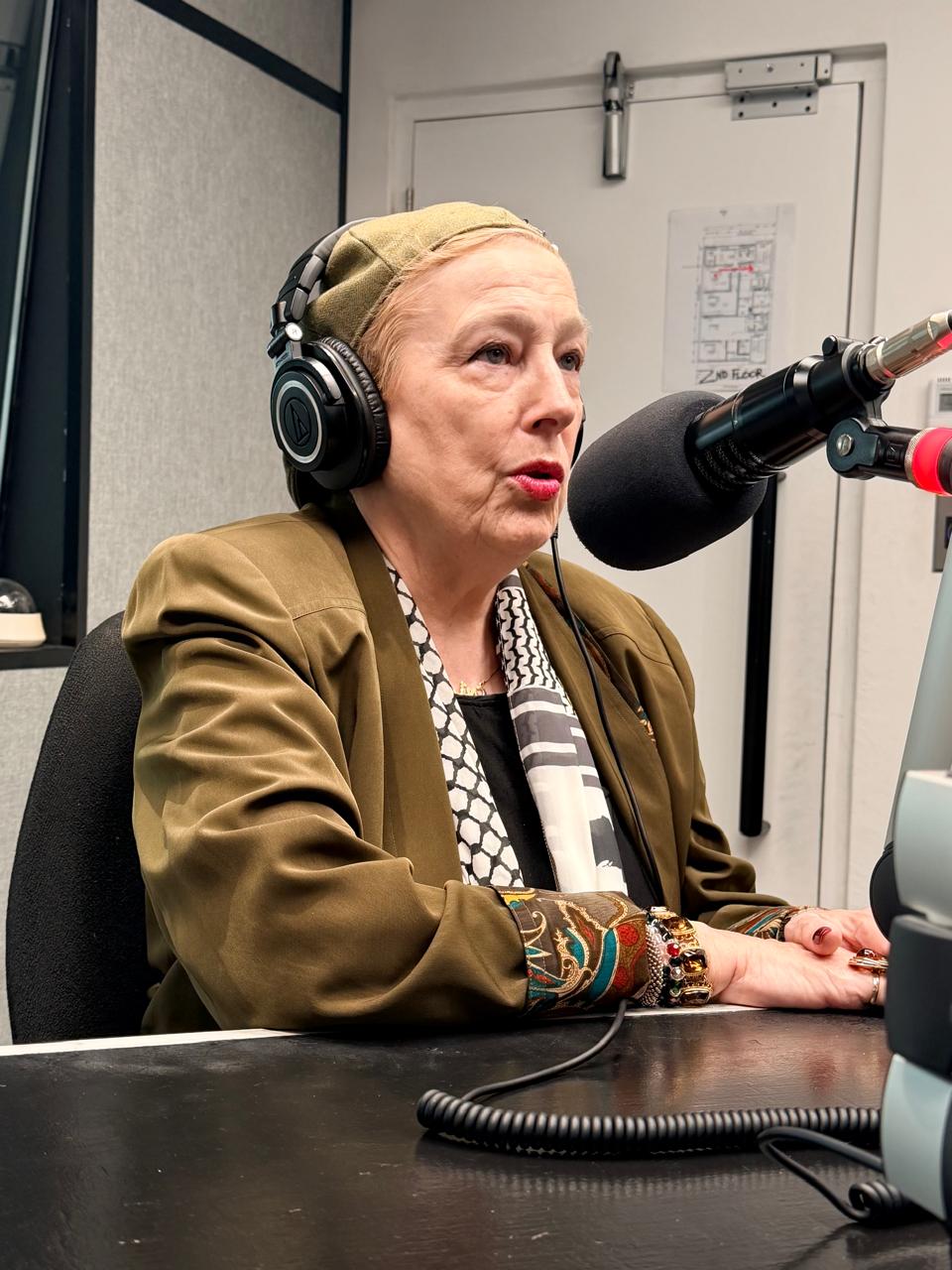
Provincial chairperson Mandla Hermanus said while no formal decision has yet been made, fare adjustments are likely.
“There is no plan as yet, but what is inevitable is that, depending on how much the increase is, our associations will have to consider increasing our fares,” Hermanus said.
He added that the uncertainty around the exact fuel price adjustment has made planning difficult for operators.
Hermanus also reiterated longstanding calls for the government to review its public transport subsidy model, arguing that the current system excludes taxi commuters.
“We’ve always been saying the government must review its subsidy regime. This should be about subsidising the people who use public transport,” he explained.
He suggested that subsidies should be directed toward commuters rather than specific transport modes, allowing individuals to choose how they travel.
“Currently, you are only subsidised if you use a bus or a train. If you use an intercity taxi, then you are on your own,” Hermanus said.
He added that potential measures, such as reducing or exempting public transport vehicles from fuel levies, could help ease financial pressure on the industry and prevent steep fare increases.
The expected fuel hikes are likely to have a ripple effect across the economy, with commuters bracing for higher travel costs in the coming weeks.
Listen to the full interview below:
VOC News
Photo: VOCfm/Stock