By Odwa Bafana Mkentane
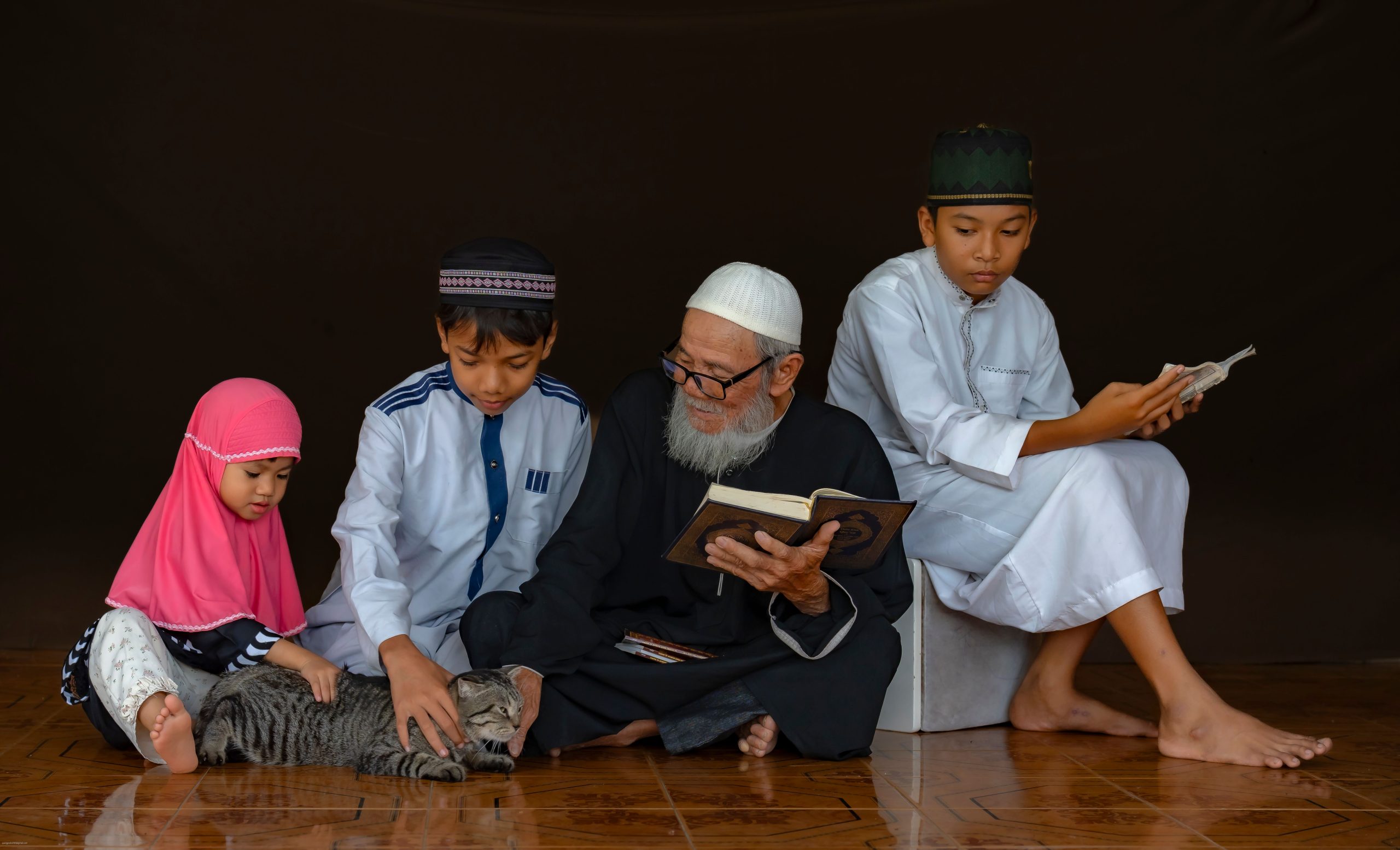
A UCT study into Muslim fatherhood in Hanover Park is exploring how men understand their roles and responsibilities as fathers and how masculinity, religion and socio-economic conditions shape their parenting experiences. Against the backdrop of South Africa’s high rates of gender-based violence and femicide, the research examines how fathers navigate financial expectations, emotional involvement and generational differences in raising their children.
It also highlights how Islam influences their understanding of fatherhood, while considering the lasting impact of colonialism, apartheid and economic inequality on family life. The study aims to move beyond stereotypes about fathers and provide a deeper understanding of the challenges and realities shaping fatherhood in the community.
Speaking to VOC News, University of Cape Town master’s student Aneeqah Meyer says the research seeks to move beyond stereotypes and provide a deeper understanding of fatherhood in the community.
“One statistic that particularly stood out to me was that only 35% of children in South Africa live in the same household as their biological fathers. This prompted me to think more deeply about fatherhood, how men understand their responsibilities towards their children, and how ideas about masculinity are passed down from one generation to the next. I wanted to explore these questions by listening to Muslim fathers in my own community of Hanover Park and understanding their lived experiences. I was not interested in portraying these men as either heroes or villains. Instead, I wanted to understand how they practise fatherhood within the social, economic and historical conditions that shape their lives,” said Meyer.
Photo: Pexels