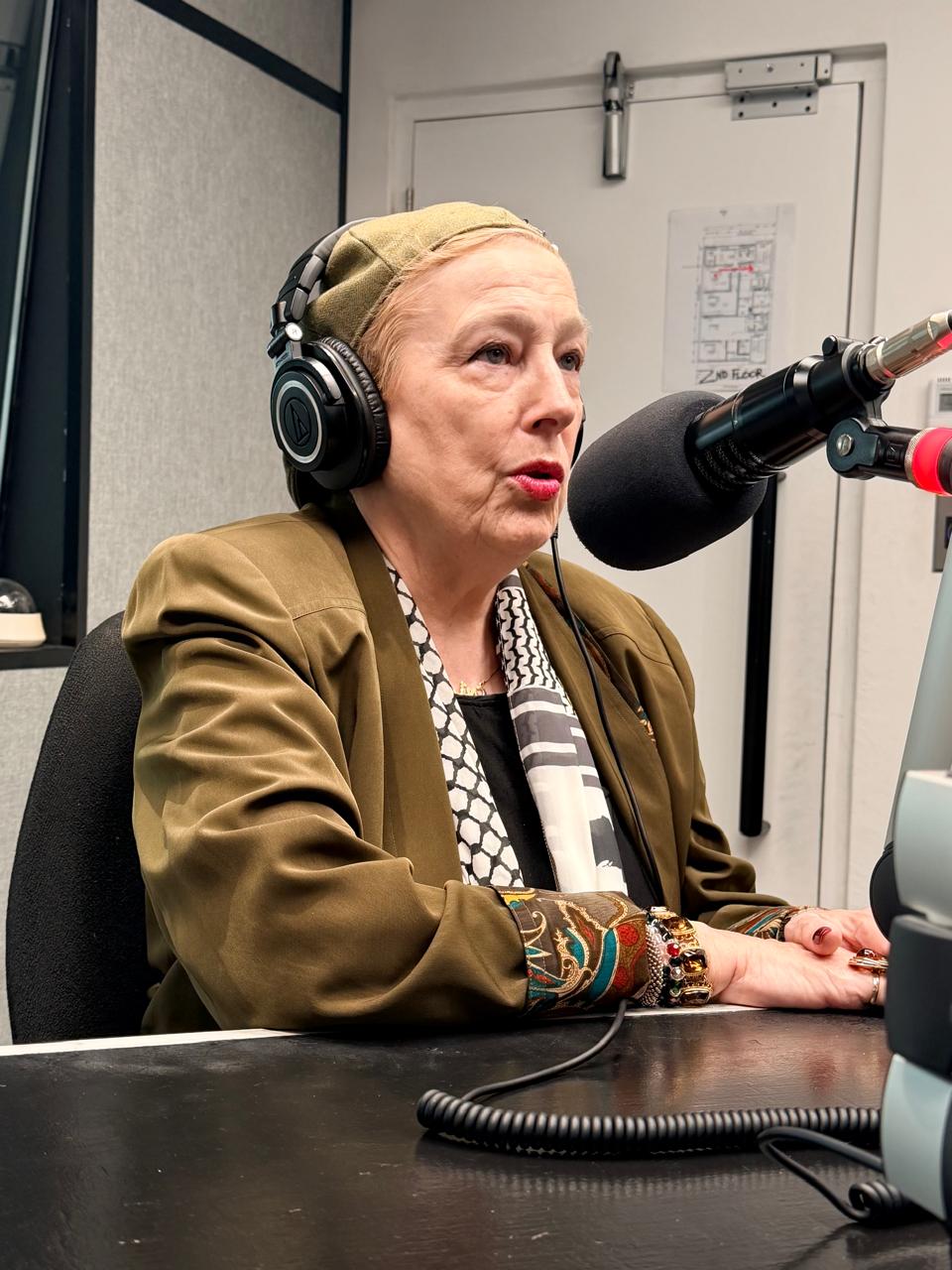

South Africa discards over 10 million tonnes of food each year, at a cost of roughly R62 billion, while one in five households struggles with hunger. Dr. Lize Barclay, Senior Lecturer in Futures Studies and Systems Thinking at Stellenbosch Business School, says this highlights a systemic problem that touches every stage of the food system from production to consumption.
Barclay explains, “It is a massive systemic issue. It goes from the production on the land, and then it goes to shops, and the shops end up with waste, which they have to discard, and then us as individual buyers, we buy and we keep having little yogurt or tomato at the back of the fridge, and then we find it, we have to throw it away, and it ends in the bin, and then it ends in the landfill.”
She warns that food waste has significant environmental consequences when disposed of incorrectly. “Well, it needs a lot of land because we have massive landfill sites, and a lot of our landfill sites are in areas that could be used for housing. The other thing is that it contains a lot of plastic, which ends up being plastic pollution in the packaging, and when it’s at the landfill, it decomposes, and then it releases methane and carbon dioxide, which are very potent greenhouse gases that then add to the climate crisis we are experiencing.”
Dr. Barclay urges households to adopt practical steps to reduce waste, including meal planning, proper storage, composting, and using surplus food efficiently. She stresses that tackling food waste not only conserves resources but also contributes to environmental sustainability and helps communities facing hunger.
Listen to the full interview:
VOC News
Photo: Pixabay