
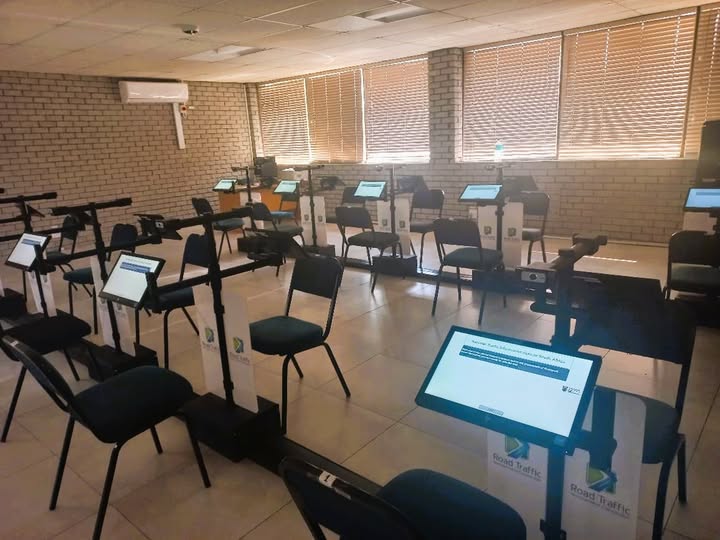
South Africa’s new computerised learner’s licence test has sparked widespread debate after reports revealed that the national pass rate has dropped to just 17%, with more than 80% of applicants failing the exam.
The new testing system was introduced to combat fraud by replacing the paper-based process with a computerised assessment that generates random questions from an extensive database.
While road safety advocates have welcomed the move to strengthen the integrity of the licensing system, concerns have been raised about whether applicants are being adequately prepared for the new format.
Speaking to VOC News, Western Cape Mobility MEC Isaac Sileku said the rise in fraudulent activities was the driving force behind the introduction of the new system.
“That’s why the national department decided to introduce it. You’re no longer using paperwork or a pencil to complete the test. Previously, there were only 64 questions, people would memorise them and, in some cases, even buy the answers. That is no longer possible because applicants must verify their identity using fingerprints, sit in front of a computer, and answer questions that are randomly generated from a database of more than 1,200 questions,” Sileku said.
He said the computerised system is designed to improve the credibility of the learner’s licence testing process by reducing opportunities for cheating and corruption.
However, road safety advocates argue that while tackling fraud is essential, government must also ensure prospective drivers have access to updated study material and sufficient training so they can adapt to the new testing format.
Photo: COCT/Facebook