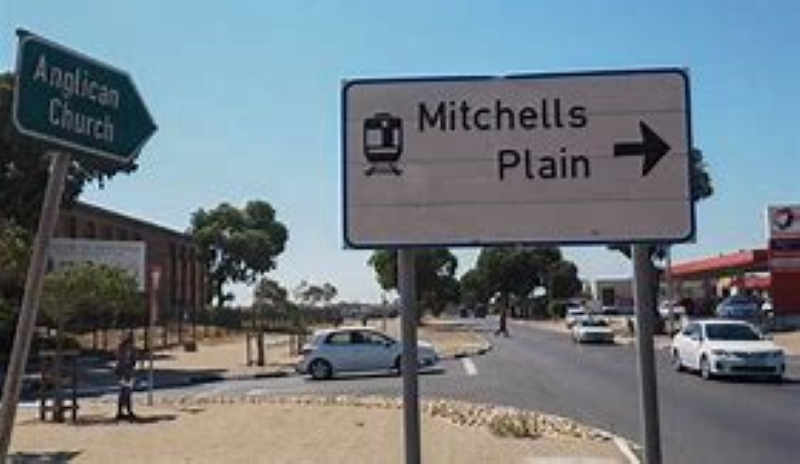
Mitchells Plain is marking 50 years since its establishment, prompting reflection on its complex history and the experiences of families who were relocated there under apartheid-era planning. While the area was created as part of a broader system of forced removals, it has since grown into a vibrant community shaped by resilience, identity, and shared experiences.
The milestone highlights how generations of residents have built lives in the area despite ongoing social and economic challenges affecting the Cape Flats.
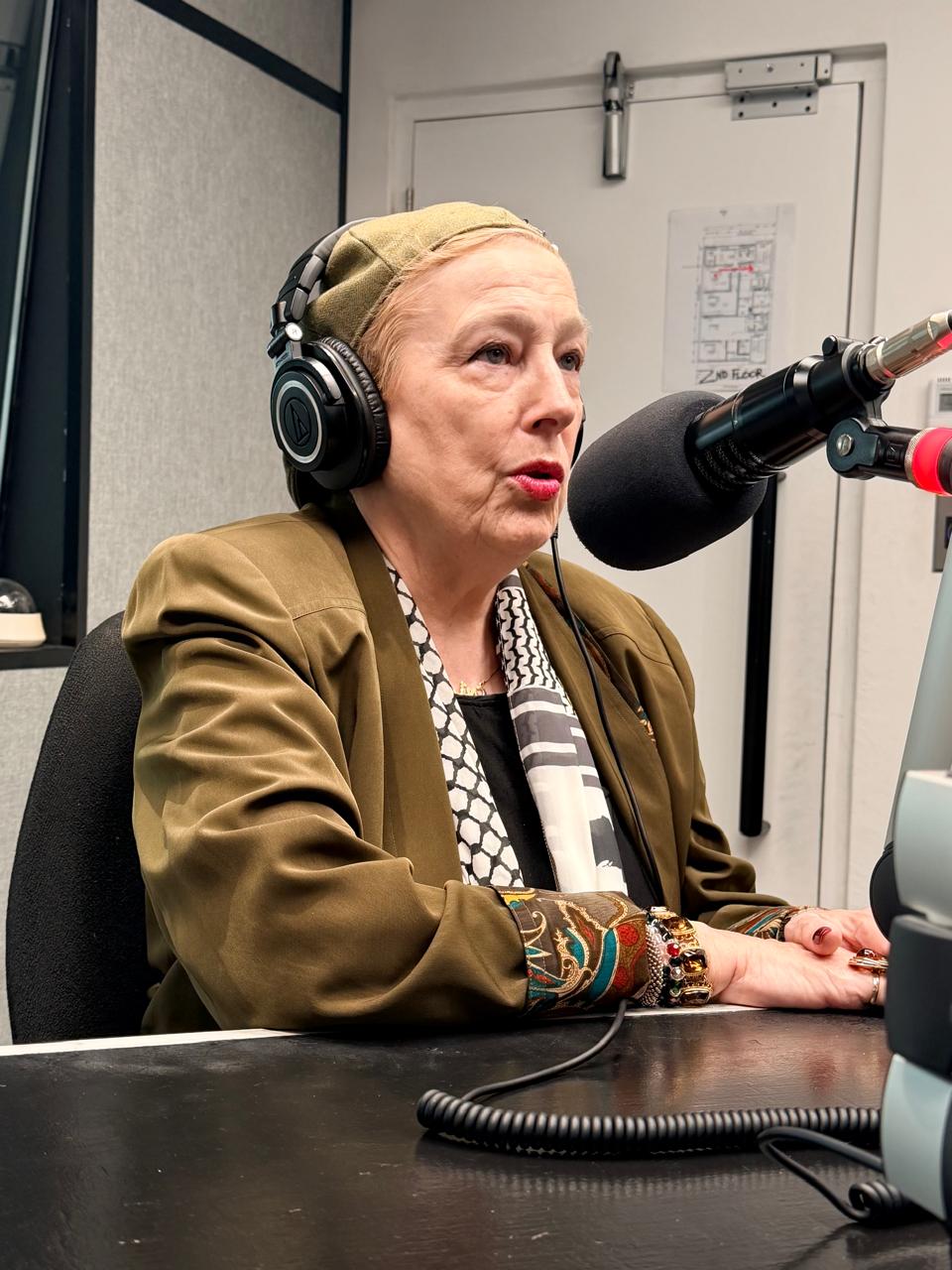
Head of Education at the District Six Museum, Mandy Sanger, recalls how the creation of Mitchells Plain sparked debate within her own family.
“I was a high school student, and the formation of Mitchell’s Plain was a huge issue in our family,” she said. “We were from Retreat, and the creation of Mitchell’s Plain was about accommodating the overflow of people who had been forcibly removed.”
Sanger explained that for many families, the move was both necessary and controversial. “It was a big debate my brothers had, expanding families and needed to move out because our home was overcrowded, and Mitchell’s Plain became an option,” she said.
She added that the development formed part of apartheid’s urban planning, alongside areas like Atlantis and Khayelitsha, and was promoted at the time as a “model urban development.”
Despite the political tensions, Sanger says the community developed its own strong identity. “It also holds very fond memories; communities created a very warm street life and cultural life,” she said. “Human beings have agency, so there are lots of wonderful memories despite the political opposition.”
As Mitchells Plain marks this milestone, it stands as both a reminder of a painful past and a testament to the strength of its people.
Listen to the full interview below:
VOC News
Photo: Supplied