
By Odwa Bafana Mkentane
The ongoing legal dispute between the City of Cape Town and two Hanover Park community organisations has raised concerns about residents’ right to protest and the role of community activists in holding local government accountable. This comes after the Hanover Park Civic organisation and Hanover Park Aboriginal Council say they are being intimidated for speaking out against alleged unlawful evictions, barricaded homes and poor housing conditions.
The Western Cape High Court has postponed the matter until August 2027, while declining to make the City’s application for a permanent interdict final.
Speaking to VOC, Gary Hartzenberg from the Hanover Park Civic Organisation says the City arranged a meeting, but when they arrived with representatives from the Legal Resources Centre, they refused to allow their legal representatives into the meeting, and they were therefore forced to engage with the City without legal representation.
“During the first court appearance, we informed the court that we intended to seek legal assistance. Unfortunately, by the second appearance, the Legal Resources Centre was unable to assist us because of budgetary constraints. I therefore had to represent the community in my capacity as the sixth respondent. I informed the court that we intended to oppose the matter. As a result, the court granted us a postponement until 10 August 2027,” said Hartzenberg.
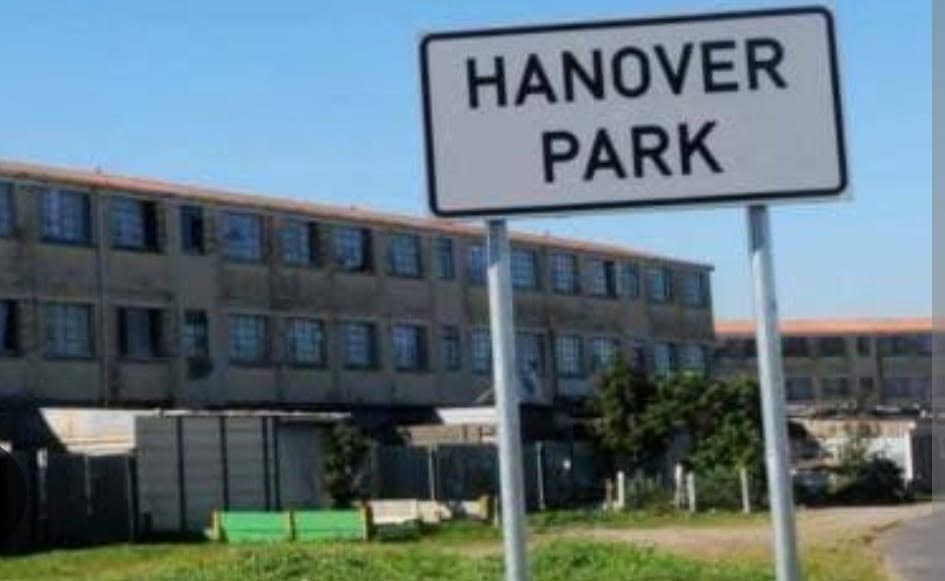
Hartzenberg added that they want to raise concerns about the lack of maintenance in the council houses, as some residents have been without water for months and their houses are deteriorating.
Last week we held a meeting with the subcouncil manager and various departmental representatives from the city, including officials responsible for electricity, human settlements and housing maintenance.
“We want the City to act in accordance with the court’s instructions and engage meaningfully with us. All we are asking is that the city communicates with us rather than talking about us. We do not want residents to be evicted unilaterally or arbitrarily. At the end of the day, we represent the voices of people on the ground. We also need to be realistic about the condition of these council houses. Many of them are now around 20 years old and are falling apart. Staircases are cracked, creating dangerous conditions for residents, yet the City is doing very little to address these problems,” he said.
In response to the claims by the Hanover Park Civic Organisation, the City of Cape Town said the City approached the Court to interdict and restrain unlawful conduct, not to prevent peaceful protest, suppress criticism, limit engagement with the City, or impede the lawful exercise of any rights.
“There has been a recurring pattern of interference with the City’s housing operations, maintenance and allocation of rental units, and disruption of services at the Hanover Park Office, among others. It has adversely affected service delivery and specifically the city and its contractors, being unable to carry out the maintenance work. Across service delivery functions, not only housing, but it is also unlawful to prevent City officials from performing their legal duties. The city adheres to all applicable laws regulating evictions and does not carry out the eviction of any person unless authorised to do so by a court order,” said the City.
Photo: Hanover Park Gangwatch Group