
By Sheefah Irambona
As South Africa commemorated Youth Month, remembering the courage and sacrifice of the youth of 1976, another generation continues to fight a different battle, one against unemployment, inequality, and an increasingly uncertain future of work.
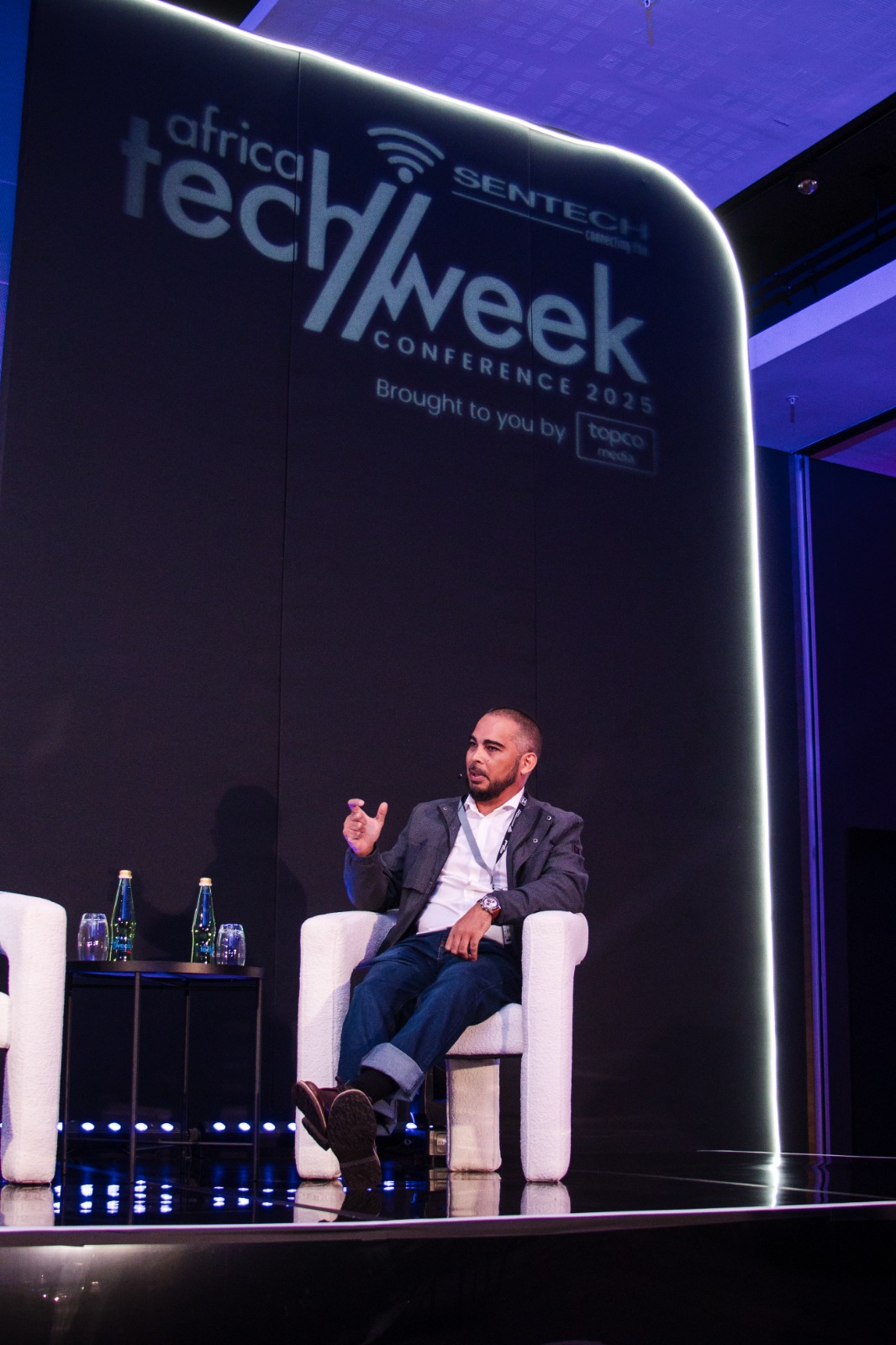
Yazid Bohardien, Founder and CEO of LaunchPath, shared insight in a four-part series on Mornings with Purpose, set out to equip young people with practical workplace skills and empower them to navigate today’s challenging job market.
Covering topics such as The Youth Employment Crisis: Understanding the Real Problem, Skills Over Credentials, Workplace Readiness, and Future-Proofing Your Career in the Age of AI, the series challenged listeners to rethink what it really takes to succeed.
The urgency is impossible to ignore. In the first quarter of 2026, South Africa’s youth unemployment rate for those aged 15–34 remained close to 50%. But behind every statistic is a human story.
As Bohardien put it, “There is a human attached to that number. Someone who wakes up every single morning, sends out job applications, knowing that the likelihood of rejection is higher than the hope of an actual response.”
The reality is that South Africa’s youth unemployment crisis cannot be reduced to a single cause. Employers often seek experience that young people have never had the opportunity to gain, while businesses, particularly small ones, cannot always afford the risk of hiring someone without practical skills. The problem stretches far beyond the workplace and raises difficult questions about whether our education system is adequately preparing young people for employment.
Bohardien argues that practical solutions should begin long before graduation. Job shadowing, workplace exposure, career guidance, and meaningful partnerships between schools and employers should start as early as high school, allowing young people to build both skills and relationships before entering the labour market.
For decades, many South Africans have been taught that education is the key to success. While education remains essential, today’s reality demands more than a certificate. Success now requires multiple keys: practical experience, transferable skills, digital literacy, adaptability, and meaningful networks. For many young people, particularly those from disadvantaged communities, this shift feels like the rules have changed halfway through the game.
That is why communities have an equally important role to play. Career days, CV clinics, mentorship programmes, learning workshops, and job-shadowing opportunities can bridge the gap between education and employment.
“The future of work shouldn’t become a place where only the privileged get ahead. Access to technology matters, but access to guidance matters even more,” Bohardien emphasised.
As artificial intelligence continues reshaping industries, many young people fear that technology will eliminate the few opportunities available to them. Yet the message throughout the series was clear: AI should be embraced, not feared. Technology may improve efficiency, but it cannot replace human judgement, critical thinking, communication, empathy, or accountability.
As Bohardien reminds us, “The future is not going to belong to the technical people only. It belongs to the people who can use the technology and still think clearly, communicate well, and take responsibility.”
Young people cannot carry this burden alone, so perhaps the greatest question facing South Africa is: How many times must history repeat itself in different forms before sustainable change is made for the country’s youth?
Listen to the Part 1 of From Potential to Opportunity: Preparing South Africa’s Youth for the Future of Work:
For the full conversations, head out to the VOC App, and tune in to Mornings with Purpose, Monday to Thursday from 10:00 am to 12:00 pm, for more inspiring conversations.