By Odwa Bafana Mkentane
The Electricity for All campaign is calling on the government to increase the free basic electricity allocation from 50 to 350 kilowatt-hours per household per month, arguing that the current allocation is insufficient amid rising unemployment and the cost of living. The campaign says many households are forced to choose between buying electricity and basic necessities such as food, pushing some to rely on wood and paraffin, which pose health and safety risks.
Speaking to VOC News, Mpumelelo Mhlalisi from The Electricity for All campaign says they are calling on communities to use municipal Integrated Development Plan (IDP) processes to demand more affordable electricity and greater government support.
“I believe people need to engage with their local government, particularly their municipalities. We now have a new administration and newly elected councillors who are expected to develop what is known as an Integrated Development Plan (IDP). This is a five-year plan that outlines how municipalities intend to address the needs of communities. We need to participate in the IDP process and make our concerns heard. We must tell our municipalities that electricity has become too expensive and that many households can no longer afford it. Electricity prices have increased tremendously,” said Mhlalisi.
Drawing on research by the Public Affairs Research Institute (PARI), Mhlalisi proposes increasing free basic electricity to between 350 and 360 units per household per month to help families meet essential needs such as cooking, heating, studying and running small businesses.
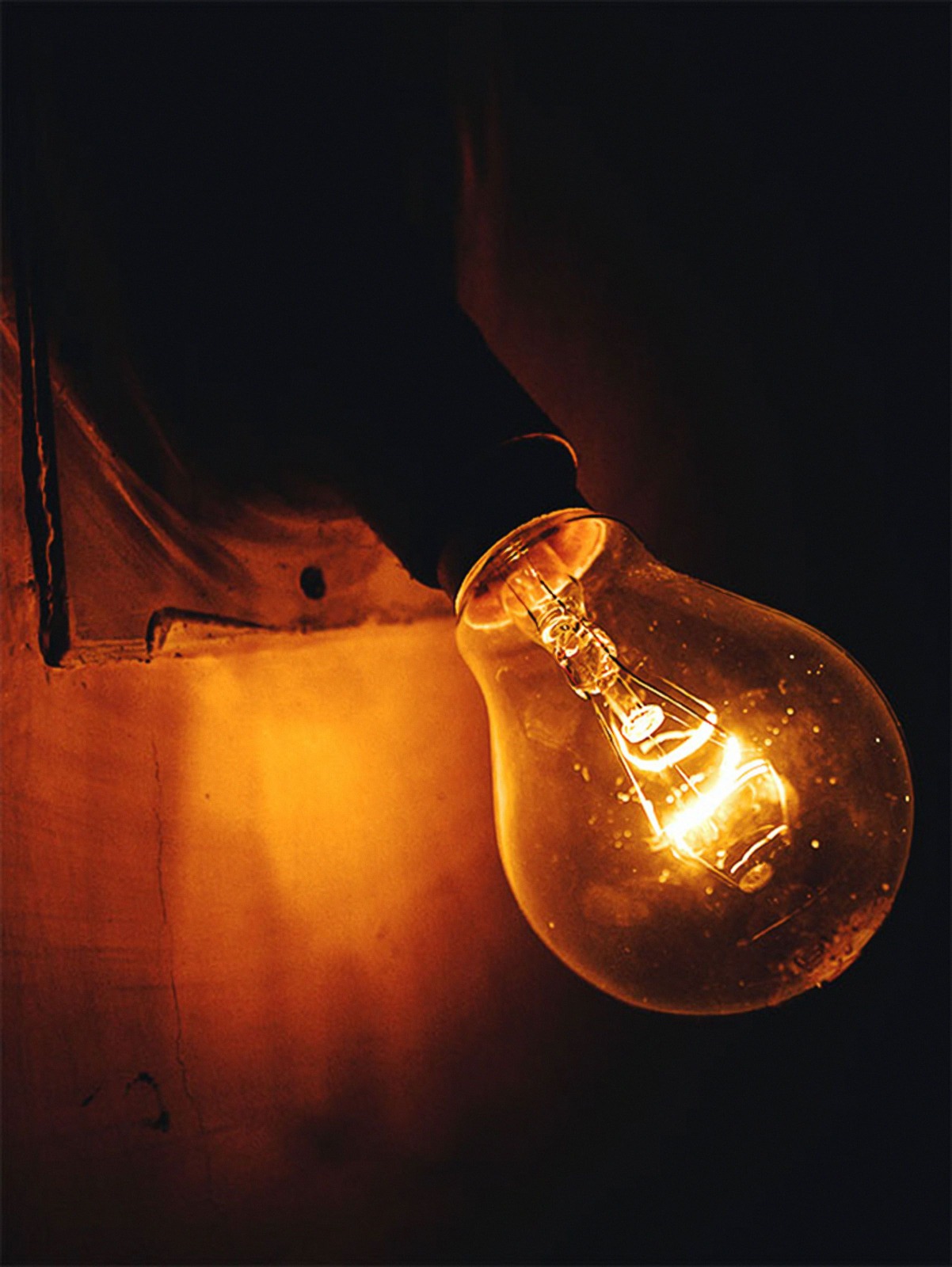
“People can no longer be expected to study or read using candles, which are also a fire hazard. I wonder how many teachers realise that when they mark learners’ homework and notice dirty pages or grease stains, those marks could be the result of children using candles to study because their households cannot afford enough electricity. This is exactly the kind of situation that energy poverty creates. When people do not have adequate access to electricity, they are forced to rely on alternative and often unsafe energy sources,” Mhlalisi stated.
Photo: Pexels