
Crayfish has long been a cherished tradition in Cape Town, often featured on family tables during special occasions, from Eid celebrations to weddings, typically prepared as a curry or in other popular dishes.
However, for many residents, accessing this delicacy has become increasingly difficult. As a result, locals often rely on informal networks, from social media platforms to personal connections in fishing communities, to secure crayfish at more affordable prices rather than through official channels.
This raises important questions about access, affordability, and legality.
According to Moenieba Isaacs, Professor and Academic Coordinator at the Institute for Poverty Land and Agrarian Studies, much of the crayfish circulating within local communities is not legally obtained or sold.
“All the crayfish that were on Eid tables and bought locally, whether through Facebook, WhatsApp groups, or contacts in areas like Ocean View, Hout Bay, or along the West Coast, are not legal for local consumption,” Isaacs explained.
She added that while crayfish holds deep cultural significance, there is currently no accessible legal route for most ordinary consumers to purchase it directly.
“It’s a deeply important and significant food for Cape Town communities, used during Eid, weddings, or even when buying crayfish curry from local businesses,” she said.
“But it is not allowed to be sold directly to local people unless it goes through specific channels. In many cases, it is illegal, even if it ends up on your plate.”
The situation highlights a growing disconnect between cultural practices and regulatory frameworks, leaving many.
Capetonians are navigating a system where tradition and legality do not always align.
Experts say addressing the issue may require rethinking how marine resources are managed and distributed, while ensuring sustainability and fair access for local communities who have long held cultural ties to the resource.
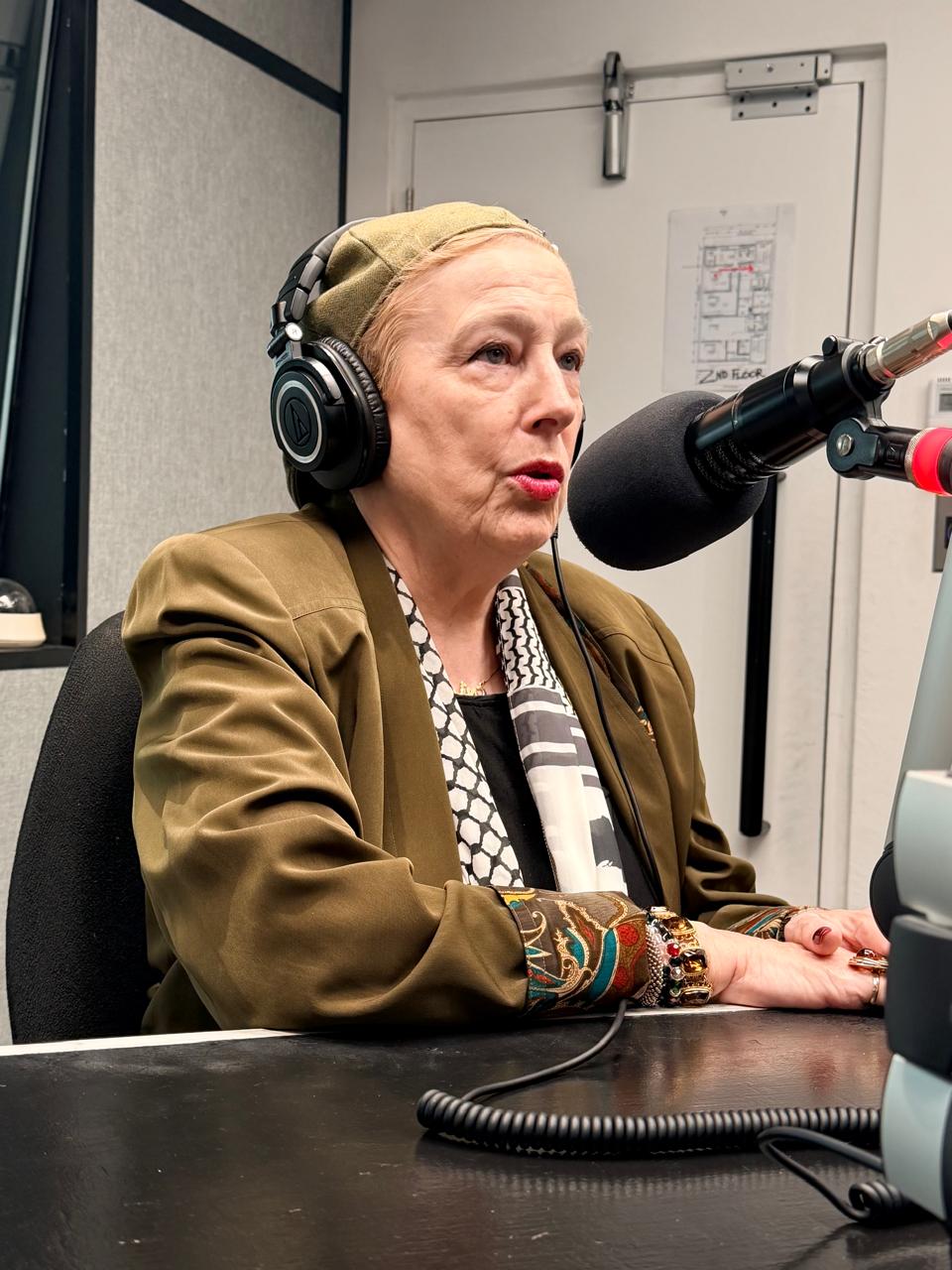
Listen to the full interview below:
VOC News
Photo: Pexels