By Odwa Bafana Mkentane
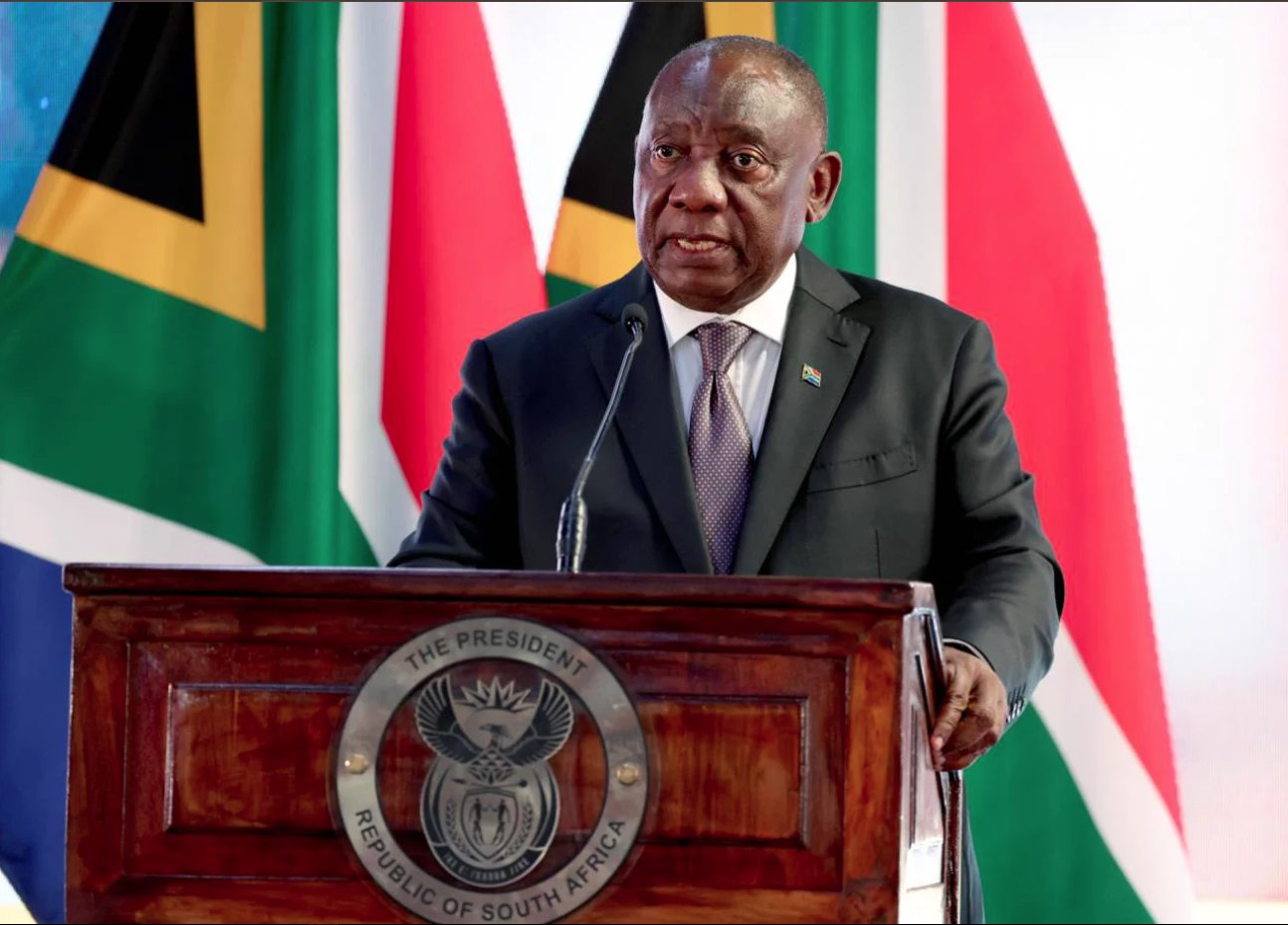
Political analyst Bheki Nkwanyana believes the High Court’s unanimous ruling on the Phala Phala report is a significant victory for President Cyril Ramaphosa, effectively bringing the impeachment process based on the parliamentary report to an end.
The President scored a significant legal victory in the long-running Phala Phala saga after the Western Cape High Court overturned the Section 89 independent panel report that paved the way for Parliament’s impeachment proceedings against him.
Speaking to VOC News, Nkwanyana argues that the judgement exposes serious flaws in the parliamentary report while cautioning that it does not necessarily mean everything that happened at Phala Phala was acceptable, and he also believes the EFF and other applicants may struggle to revive the matter through the same legal process.
“The impeachment process is halted with immediate effect, pending an appeal, should one be lodged. Even if an appeal is pursued, the process could take a considerable amount of time because the applicants would first have to demonstrate why the matter should be treated as urgent. Secondly, we must remember that President Cyril Ramaphosa’s term is expected to end in December 2027, when the ANC is also scheduled to hold its conference. It is possible that the judgement on the appeal could only be delivered in 2028, although I cannot say for certain,” said Nkwanyana.
Nkwanyana raised concerns about unequal access to justice, questioning whether ordinary South Africans without financial resources can afford the legal representation needed to defend their constitutional rights.
“There is also the issue of access to justice. The president was able to appoint highly experienced lawyers to defend his position, and that may have contributed to the successful outcome of his case. But what happens to an ordinary South African who cannot afford expensive legal representation? Where does that person find the resources to challenge a decision or defend their constitutional rights? It raises an important question about whether access to justice is truly equal in South Africa. In practice, exercising your rights often requires taking a matter to court, and that can be extremely expensive. For people without financial resources, defending their rights becomes a significant challenge,” he said.
Photo: @GovernmentZA