
By Lee Yandra Paulsen
The latest fuel price increase is adding further pressure to South Africa’s fishing industry, with rising diesel costs affecting fishing operations and raising concerns about the potential impact on food prices and consumers.
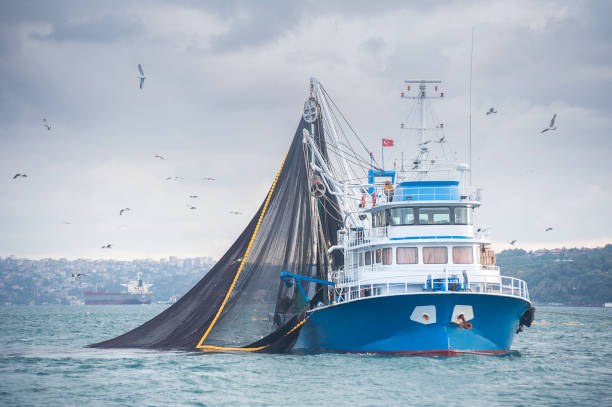
FishSA Executive Chair Loyiso Phantshwa says fuel is one of the biggest costs in fishing operations, particularly for vessels that travel out to sea to harvest fish.
“Fuel price is the biggest cost contributor, certainly, other than labour in the fishing operations, in particular, for the vessels that go out to harvest the fish,” Phantshwa said.
He said the industry is already operating in a difficult economic environment, with rising fuel costs creating further challenges for fishing businesses.
“We have spoken about this. We have written to government to say that, you know, we are severely disadvantaged as far as the fuel price is concerned,” he said.
Phantshwa said the industry faces the possibility of reduced fishing activity if costs continue to rise, which could affect employment and businesses that depend on the sector.
“Either we stop fishing, which would have a massive impact on the employment of seasonal and permanent staff, and all other services that are dependent on that,” he said.
He also warned of implications for food security, saying fish remains an affordable source of protein for many South African households.
“The fishing or marine products caught in our seas, you know, as I said, one, they provide the most nutritious protein that you can get at the moment, and generally we feed families.”
Phantshwa said the industry has so far tried to protect jobs despite mounting costs, but this is becoming increasingly difficult.
“Our members have had to take the brunt and not necessarily cut labour, but it’s getting extremely, extremely difficult with these increases and without any form of assistance.”
He said the industry may eventually have to consider passing some of the increased costs on to consumers, although this could place further pressure on households already struggling with rising food prices.
Photo: Pexels