By Odwa Bafana Mkentane
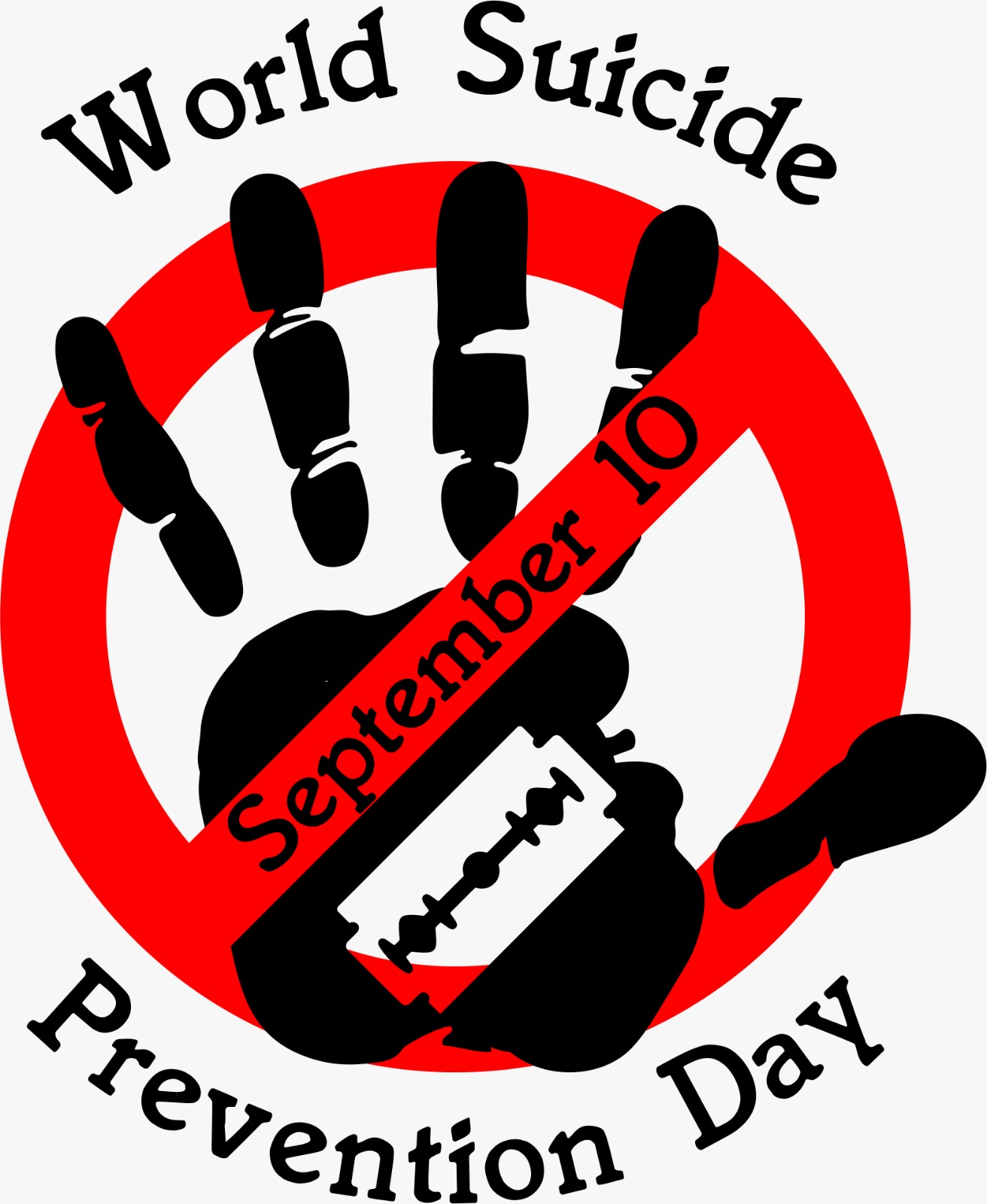
Today marks World Suicide Prevention Day, a day dedicated to raising awareness about suicide and encouraging people to speak openly about mental health and seek help when they need it. In South Africa, men account for the vast majority of suicide deaths, with recent evidence indicating that around 80 percent of suicide deaths are among men. This raises important questions about men’s mental health. On World Suicide Prevention Day, we look at the challenges facing men and what can be done to prevent more lives from being lost.
Speaking to VOC News, clinical psychologist David Moloko says traditional expectations that men should be strong and hide their emotions can contribute to suicide risk.
“As clinicians who deal with mental health, we have seen many factors contributing to suicide among men. One of the main factors is social norms and the traditional expectations placed on men. Men are often expected to be strong and not show their emotions. When they talk about depression or other mental-health problems, they may be seen as weak or as not being “man enough”. This creates even more emotional distress. Another major factor is the stigma around mental health, especially among men. If a man experiences depression, bipolar disorder or other mental-health problems, he may avoid seeking professional help because he is afraid of being judged or stigmatised by his community,” said Moloko.
Moloko said to address the stigma around mental health, people need to start with support within the family.
“When a person has support from people close to them, such as their parents, siblings, partner or other family members, they are more likely to feel that they belong. This support can give a person confidence when dealing with stigma in the wider community. For example, a person living with bipolar disorder may understand that they are different in some ways, but they still have something valuable to contribute to their family, community and society. If a person does not have support from their family, they can seek support from the wider community, including support groups and psychotherapy groups. Having a place where you feel accepted and supported can help reduce feelings of isolation and stigma,” he said.
Moloko concluded by saying that one of the signs to look out for is a change or decline in the normal behaviour and performance, as this could be a decline in the work, relationships, family life or other responsibilities.
Photo: Pixabay