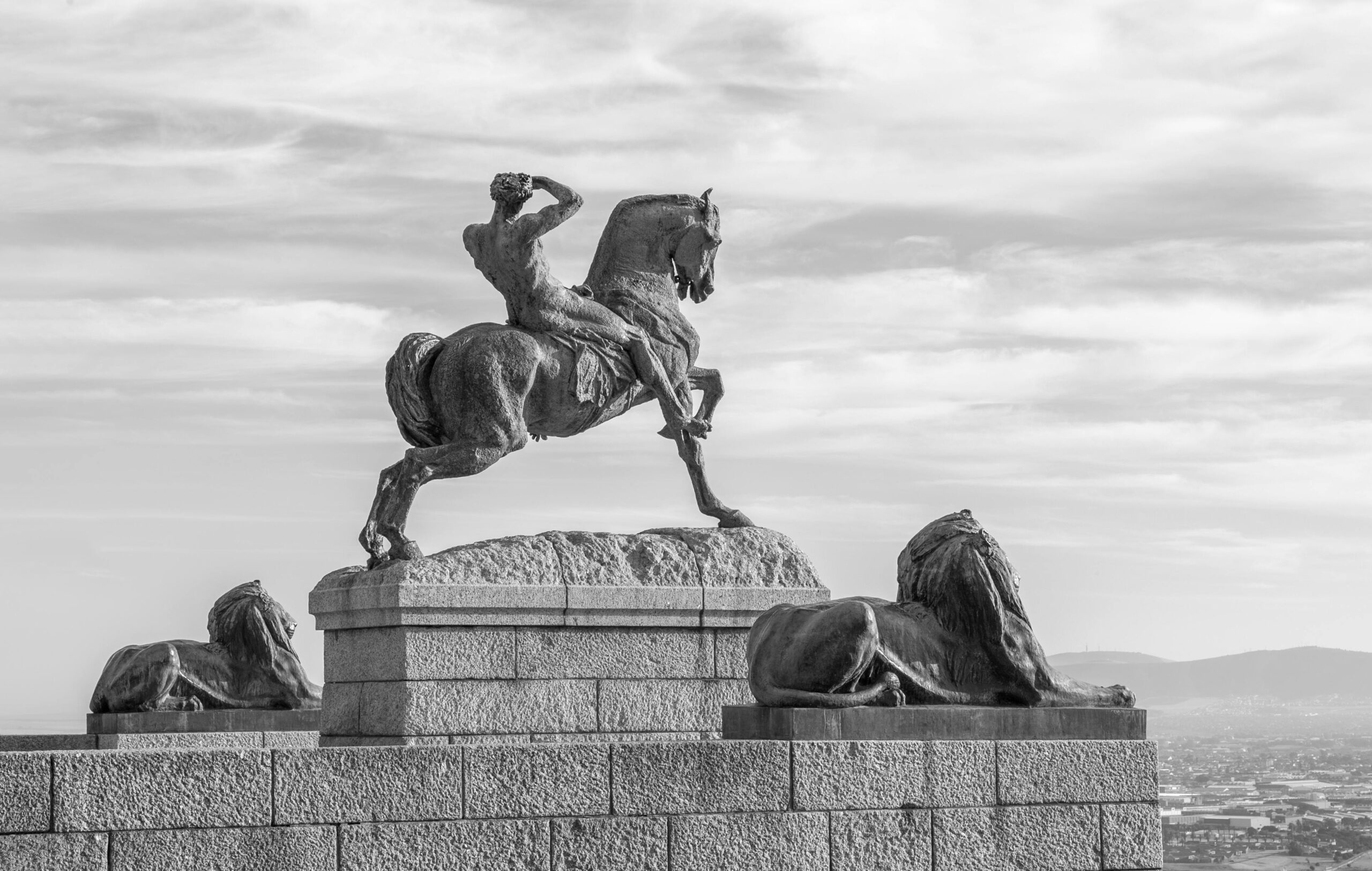
South Africa’s history is etched into its public spaces, through statues towering over city squares, streets bearing the names of political leaders, and schools commemorating defining figures. Yet for many citizens, these monuments are not neutral markers of heritage but symbols of a painful legacy of colonialism and apartheid.
As debates resurface about whether such symbols should remain, be removed or reimagined, questions around memory, justice, and belonging in a democratic society are once again in focus.
Dr Fubah Alubafi, Senior Research Specialist at the Human Sciences Research Council (HSRC), argues that removing statues does not amount to erasing history.
“Taking down statues does not erase history; rather, it recontextualises it by removing the active glorification of figures involved in oppression,” Alubafi explains. “While some argue that removing monuments destroys historical records, others point out that these statues often represent a narrow, skewed version of history.”
He says that public spaces inevitably reflect choices about who society honours.
“The removal of statues is not about erasing the fact that a person existed but about changing who society chooses to honour. The fact that a society chooses to honour a particular hero does not mean those who were not honoured did not exist. It simply means not all heroes or heroines can be remembered in public spaces.”
Listen to the full interview below:
On the other hand, veteran journalist and commentator Ryland Fisher cautions against what he views as an attempt to “obliterate” reminders of the past when political systems change.
“We’ve seen throughout the world that when there’s a change in government, those in power try to erase images and reminders of the past. I think that’s wrong,” Fisher says. “We need to find a way in which the past and the present can live together.”
Fisher does not support large-scale renaming or removals, suggesting instead that new spaces and monuments be created to honour those who have contributed to democracy.
He adds, “For me, it’s a reminder of our past and that we shouldn’t return.”
Listen to the full interview below:
VOC News
Photo: Pexels