The United Kingdom’s decision to ban imports from Israeli settlements in the occupied West Bank has been welcomed by some observers, but analysts argue the move should not be mistaken for a fundamental shift in Western policy toward Palestine.
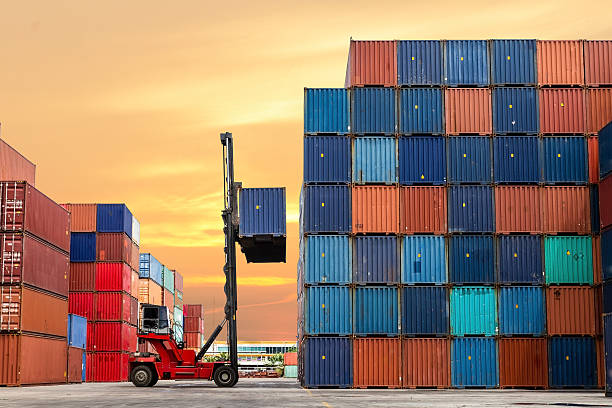
The sanctions package, announced by UK Foreign Secretary Ed Miliband, also includes new restrictions linked to settler violence. Eleven countries, including France, Canada and Spain, are expected to implement similar measures, as international pressure grows over Israel’s occupation of the West Bank.
Executive member of the Media Review Network, Professor Ahmed Jazbhay, said the measures are significant but fall short of addressing the root causes of the conflict.
“It is welcomed, but at the same time we shouldn’t view it as a rupture in the colonial lexicon that essentially covers Western responses to Palestine,” he said.
Jazbhay argues the sanctions represent what he describes as a “managed rupture” rather than a genuine break from longstanding Western policy. In his view, the UK’s close alliance with the United States suggests the response has been carefully calibrated.
“The UK’s ban is more of a strategic concession, a pressure valve designed to assuage global anger over what’s happening in Gaza and the West Bank, without fundamentally altering the balance of power in the region.”
He contends that while the trade ban sends an important political message, it does not amount to sufficient pressure to end the occupation or halt the expansion of Israeli settlements.
“Instead of putting enough pressure on Israel to end the colonisation of Palestine, they’ve introduced a trade ban. While the ban is significant to some extent, its significance must be understood as a containment mechanism.”
Jazbhay believes the coordinated response by several Western nations reflects an attempt to respond to mounting international criticism while avoiding more far-reaching measures.
The UK’s sanctions mark one of the strongest actions taken by Britain against Israeli settlements in recent years, but debate continues over whether the measures will lead to meaningful political change on the ground.
Listen to the full interview below:
VOC News
Photo: Pixabay