
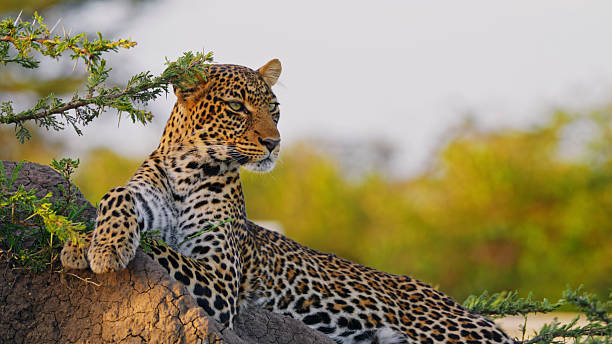
Seven leopards have returned to South Africa’s West Coast after disappearing from the region for around 170 years, marking a significant development for conservation efforts.
The first confirmed sighting in the West Coast National Park was captured on camera last year, following years of evidence that leopards were gradually returning to areas where they had previously been eliminated.
Landmark Foundation General Manager Dr Bool Smuts said the decline of leopards was linked to historical efforts to remove predators from the landscape.
“The colonial administrations, successive ones, incentivized landowners to remove these animals from the landscape, and they were progressively killed,” Smuts said.
He said the last leopard on the West Coast was shot in the 1840s, although some populations survived in more inaccessible mountainous areas.
“The leopards did remain in the mountain chain down to Cape Point and right up into the Cederberg, just because it was too difficult to shoot them out,” he said.
According to Smuts, signs of leopards returning to the West Coast began emerging in the early 2000s. The Landmark Foundation started recording evidence of their presence in the area around 2015, while their regular presence was confirmed from 2021.
The West Coast National Park detected the animals within the park for the first time last year.
Smuts said seven individual leopards have now been identified, including two cubs believed to be around six months old.
He describes their return as a “natural recolonization” rather than a reintroduction by humans, saying the animals appear to have established themselves naturally in the region.
The return of the leopards highlights the potential for wildlife to reclaim parts of their historical range when suitable habitats and protection are available.
Listen to full interview below:
VOC News
Photo: Pixabay