By Odwa Bafana Mkentane
The South African Federation of Trade Unions, SAFTU, has strongly criticised President Cyril Ramaphosa’s launch of Phase 3 of the Government-Business Partnership, describing it as an intensification of corporate influence over the government. The federation argues that the initiative will further undermine the interests of workers and the poor.
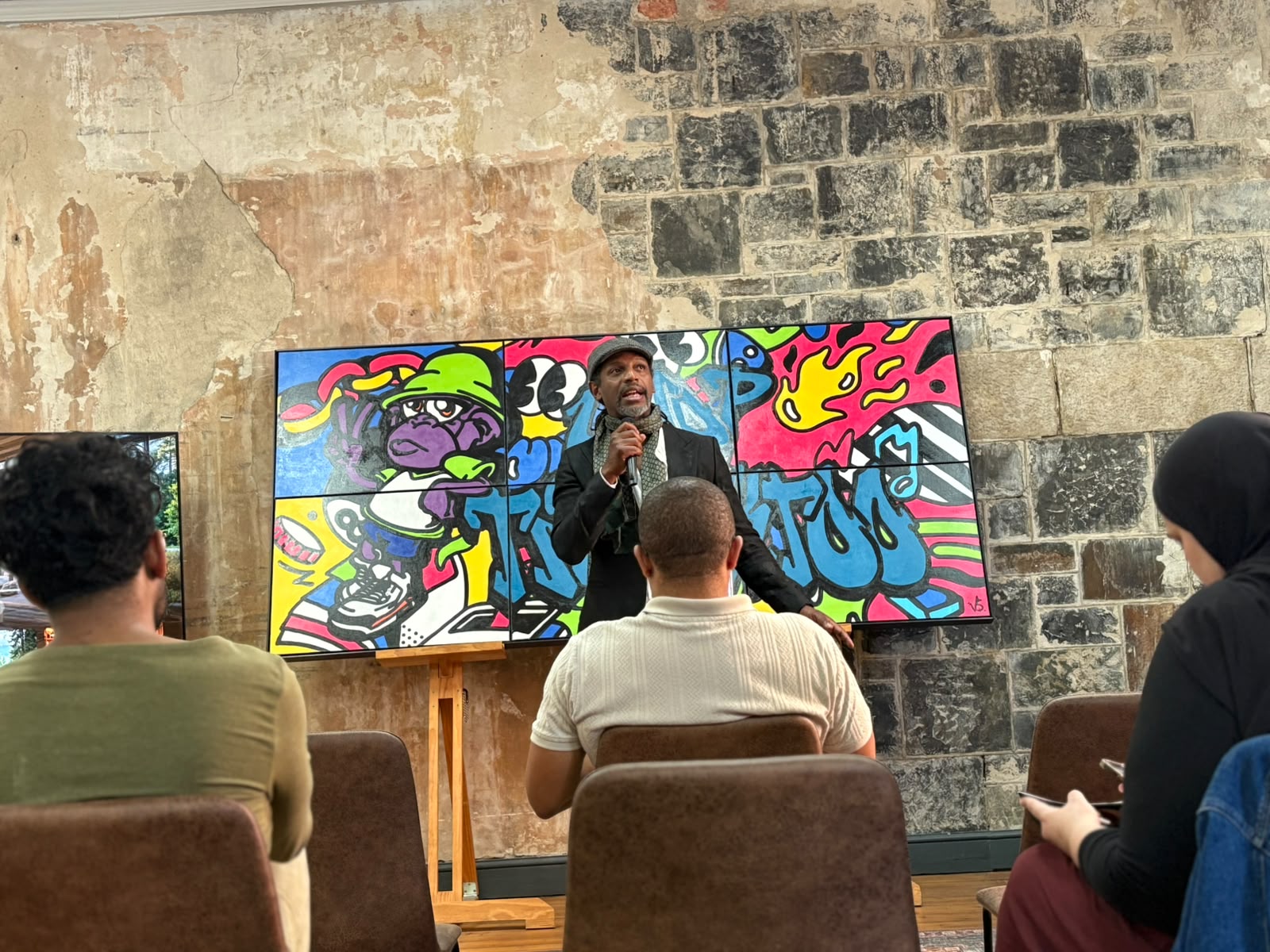
SAFTU National spokesperson Newton Masuku says big business has been given a seat at the controls.
“SAFTU is not opposed to government meeting business. But this has gone far beyond consultation. Corporate South Africa now enjoys structured access to the Presidency, Ministers and senior state officials and participates directly in programmes covering electricity, rail, ports, water, infrastructure, mining, agriculture and other strategic sectors. Yet organised labour is not a party to this bilateral. Workers are expected to accept the consequences of economic decisions negotiated between government and business while their organisations remain outside the room, “ said Masuku.
Masuku added that the President’s speech makes clear that Phase 3 will deepen the structural reforms driven through Operation Vulindlela.
“The programme is unmistakable, complete Eskom’s unbundling, deepen the electricity market, expand private train operations, increase private participation in infrastructure and increasingly turn public services and strategic state assets into fields for private accumulation. Workers must understand what is being packaged under innocent-sounding words such as “reform”, “partnership” and “private-sector participation”. This is a fundamental transfer of economic power from the democratic state towards private capital. Eskom and Transnet were built as national strategic assets. Electricity, rail, ports and water are not commodities whose development should depend upon where private investors can extract the highest returns. SAFTU rejects the transformation of the state into a mere facilitator of private profit, “he said.
He said that for decades they have been told that fiscal discipline, inflation targeting, investor confidence, liberalisation and structural reforms would produce investment and jobs.
Photo: SAFTU