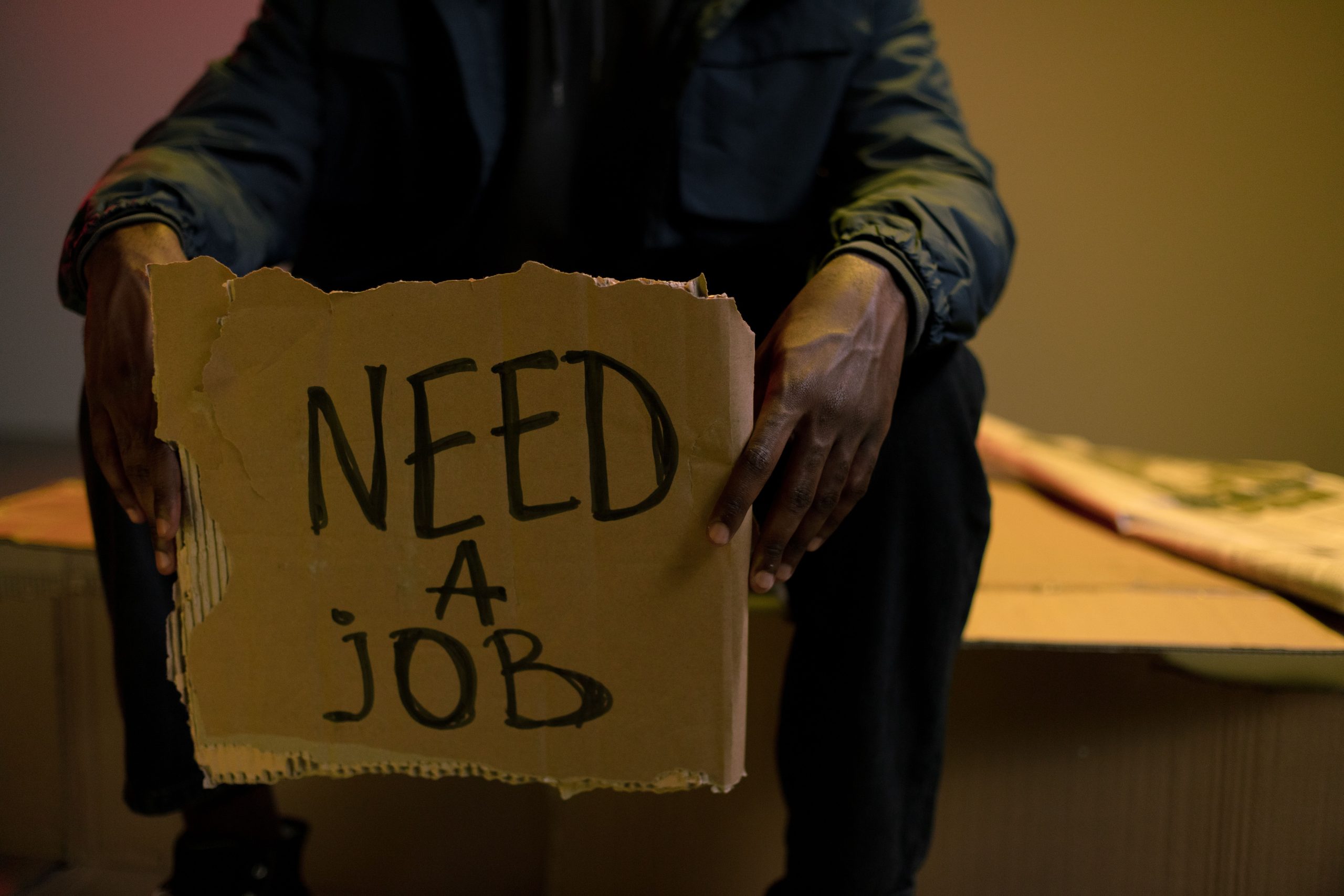
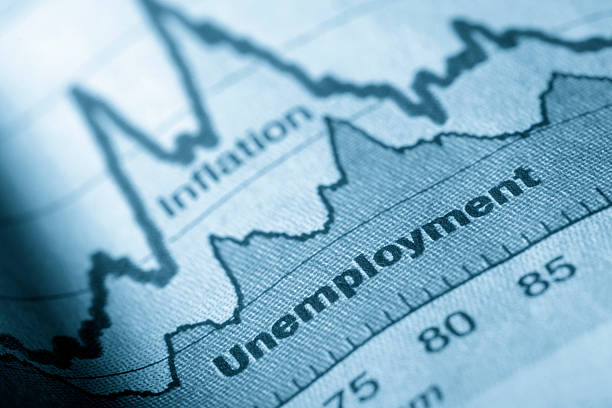
South Africa’s labour market is facing mounting pressure as the country’s growing working-age population continues to outpace employment opportunities. The latest Quarterly Labour Force Survey shows that the official unemployment rate has increased to 32.7%, leaving more than eight million South Africans without work. At the same time, the country’s working-age population has now surpassed 42 million people.
Professor of Economics at the University of Cape Town and Director of the Development Policy Research Unit, Haroon Bhorat, said the crisis is not primarily driven by demographics, but rather by South Africa’s inability to absorb workers into the economy.
“In many ways, actually, our problem is less demographic in nature,” said Bhorat. “We have passed the demographic peak in terms of a high youth population. Many other African economies are still approaching the peak of the demographic transition. Ours is not a demography problem. Ours is an inadequate labour absorption problem.”
Bhorat explained that two major factors are contributing to the crisis: low economic growth and limited participation in the informal sector. According to him, South Africa has unusually low levels of informal economic activity compared to other developing countries.
“We have the highest unemployment rates among a sample of most middle-income countries and many countries in the world,” he said. “But at the same time, we have the lowest rates of informality.”
He noted that, in many developing economies, the informal sector plays a critical role in absorbing unemployed workers by creating low-barrier opportunities for income generation. However, this has not happened on the same scale in South Africa.
“On average, 45 out of every 100 workers in the developing world are in the informal economy. In South Africa, it’s around 16 out of 100, or maybe 20 if you are generous with definitions,” Bhorat explained.
He added that historical inequalities linked to apartheid continue to shape the country’s labour market, limiting opportunities for small businesses and informal traders.
“We have too few people in this low-barrier-to-entry sector, where they should be given a small piece of the economic pie, and that’s just not happening in South Africa,” he said.
Listen to the full interview below:
VOC News
Photo: Pixabay