By Odwa Bafana Mkentane
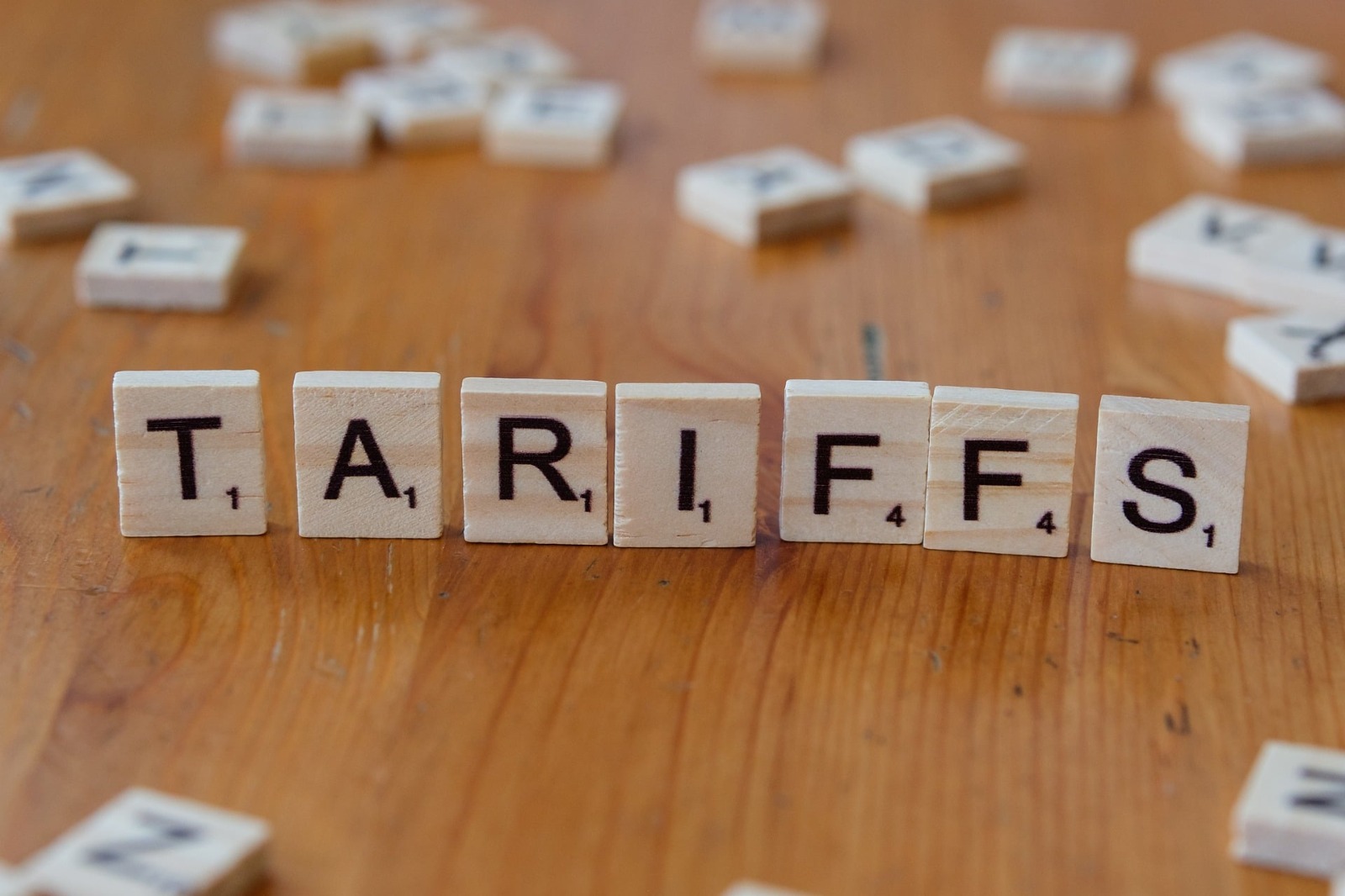
South Africa is among 60 trading partners set to face new United States tariffs after the administration of President Donald Trump announced measures targeting countries it says have failed to adequately prohibit the importation of goods produced with forced labour. The new tariffs, which range from 10% to 12.5%, are part of a broader trade enforcement strategy that the US says is aimed at strengthening global labour standards while reshaping its trade relationships.
Economist at Altitude Wealth, Professor Jannie Rossouw, says it seems that US President Donald Trump is under the impression that whenever the US imposes tariffs, it will result in more revenue for the United States, but that such tariffs will not be paid by US consumers.
“One thing that export markets have difficulty dealing with is unpredictability because export contracts are negotiated long in advance, shipping containers booked, et cetera, for physical exports. And suddenly you wake up on a Monday morning, and there are new tariffs in play. So, from that perspective, the situation is very negative for international trade flows. It seems that Mr Trump is under the impression that whenever the US imposes tariffs, it will result in more government revenue on the US side, but that such tariffs will not be paid by US consumers but will be absorbed by producers outside the US by means of lowering the export prices to the US. I have no evidence for what I’ve just said, but when I think through everything we’ve heard and we’ve seen on tariffs, it’s the only way that they can rationalise it,” said Rossouw.
Photo: Pixabay