By Odwa Mkentane
Housing activists are raising concerns over the City of Cape Town’s plans to provide affordable housing in well-located areas, warning that high rates, service costs and small housing units could still exclude poor and working-class communities. They are calling for greater transparency, meaningful community participation and the use of public land to address the city’s housing crisis.
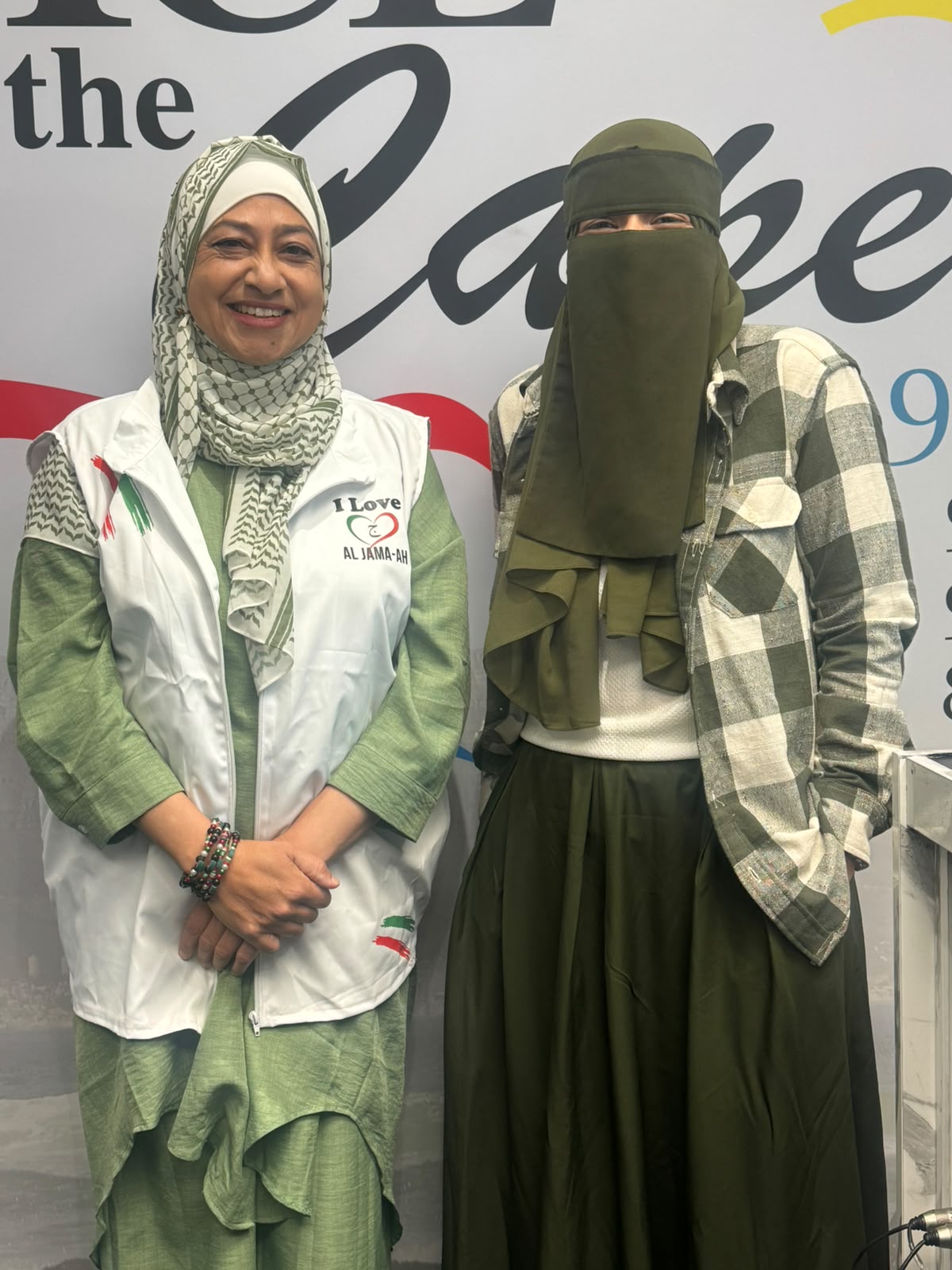
Speaking to VOC after the City of Cape Town and the Western Cape Government submitted reports on their affordable housing policies following a Constitutional Court ruling that found they had failed to adequately address the need for affordable housing in well-located areas, including Sea Point, Kashifa Achmat, Chairperson of Housing Assembly, said the cost of rates, electricity and other services can make it difficult for people to remain in social housing, even outside Cape Town’s most expensive areas.
“We do not really know what is in the City’s report yet, but communities are waiting to see what the City will put forward. When it comes to affordable housing in Cape Town, many people feel excluded. The Constitutional Court ruling must be followed, and everyone is waiting to see how the City plans to comply with it. One important issue is whether there should be a cap on rates and taxes. If people are allowed to live in areas such as Sea Point, Tafelberg or Woodstock Hospital, they could eventually be forced out if they cannot afford the rates, taxes and other costs.
Rates and taxes in areas such as Sea Point and Woodstock can be very expensive. We should also not only focus on Sea Point. The cost of rates, electricity and other services can make it difficult for people to remain in social housing, even outside Cape Town’s most expensive areas. These additional costs can become a major burden for poor and working-class communities,” said Achmat.
Achmat added that if public land close to economic opportunities is used for housing, the government must ensure that it genuinely addresses the needs of poor and working-class people.
“The City also needs to clearly explain what it means by affordable housing. What is affordable for someone earning R3,200 or R1,800 a month? We have people living in social housing who receive grants of around R2,400. For many of these people, paying rent, electricity and other services is already a major struggle,” Achmat said.
Achmat further added that residents must be informed about available land, development plans, eligibility and allocation, and warned that communities must be properly consulted.
“Communities should know what land is available, what developers are planning, who will qualify for the housing, when the projects will be completed and how the housing will be allocated. Public participation must be meaningful. It should not simply be a box that government ticks to say that consultation has taken place.
“There must also be accountability. We are also concerned about developments such as those planned in Paarden Eiland and other parts of Cape Town. We do not get properly consulted about these developments. Even when public participation processes take place, communities often feel that their views are not taken seriously,” she said.
Photo: Housing Assembly/FB