South African consumers have been given some relief after the South African Reserve Bank (SARB) decided to leave the repo rate unchanged at 7%, despite ongoing concerns over global inflation and geopolitical tensions.
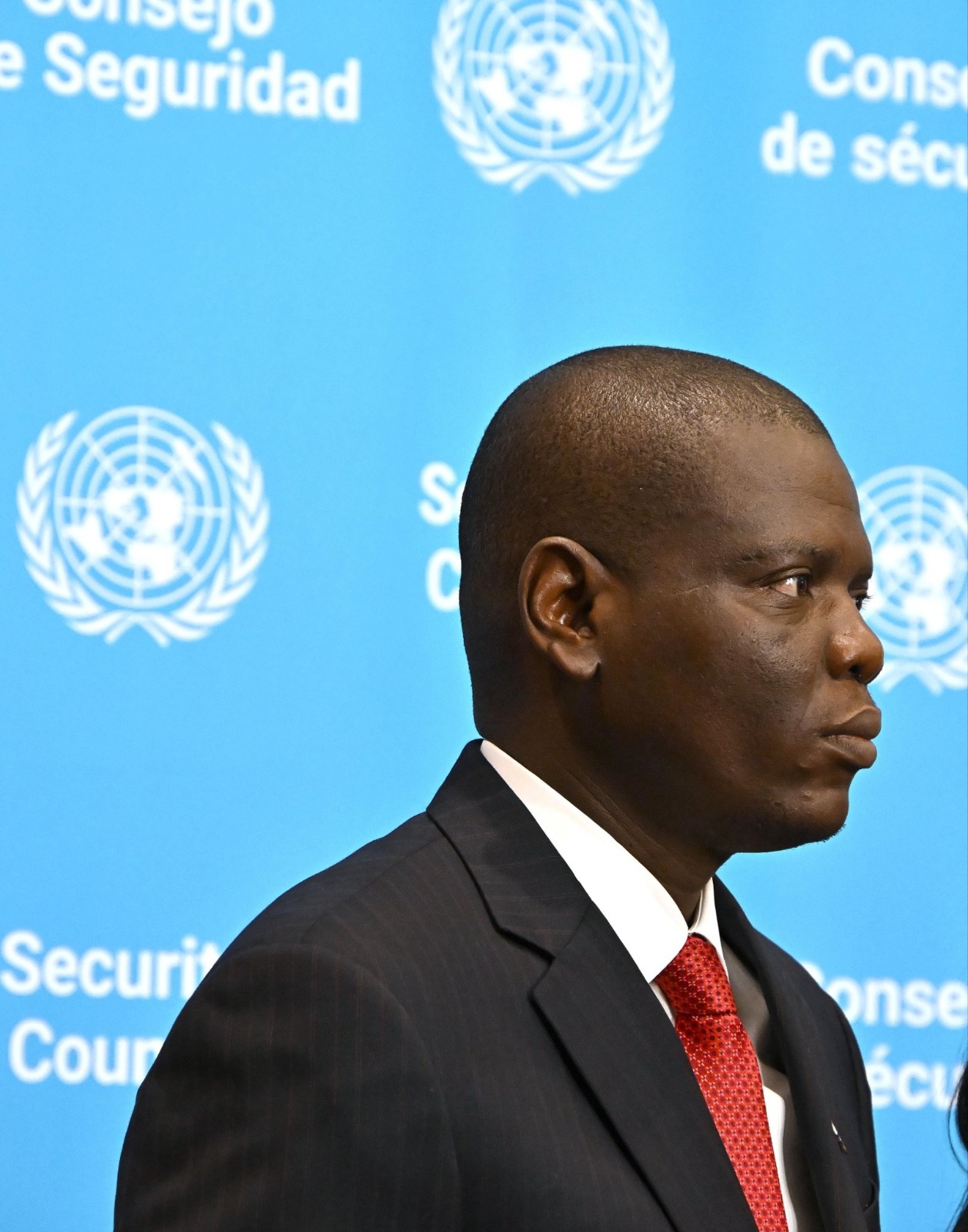
The Monetary Policy Committee (MPC) announced on Thursday that four members voted to keep the rate unchanged, while two supported a 25-basis-point increase. SARB Governor Lesetja Kganyago said the committee believes the current monetary policy stance remains appropriate, although the inflation outlook remains uncertain.
Speaking to VOC News, economist Frank Blackmore said the decision was unexpected, particularly after the governor highlighted several risks facing the economy ahead of the announcement.
“The governor focused heavily on the conflict in the Middle East, higher oil prices, slower economic growth and persistent inflation in the services sector. Those factors suggested that another interest rate increase was likely, so the decision to hold the repo rate came as good news for consumers.”
Blackmore said one of the key factors supporting the MPC’s decision was the strength of the rand, which has helped cushion South Africa against rising import costs.
“The stronger rand has reduced the impact of imported inflation, while current inflation figures remain broadly in line with the Reserve Bank’s forecasts. That appears to have given policymakers enough confidence to leave interest rates unchanged.”
He added that uncertainty surrounding global oil prices means it is still too early to predict whether motorists will see a fuel price decrease in August.
“At the moment, the fuel price outlook is relatively balanced. Higher oil prices are beginning to erode the current over-recovery, but unless there’s a significant escalation in the conflict, motorists could still see little to no change at the pumps next month.”
Blackmore said a prolonged conflict in the Middle East would continue to place pressure on inflation and economic growth, but noted that both the United States and Iran have economic reasons to avoid an extended conflict, which could help stabilise global markets in the coming months.
Photo: Pexels