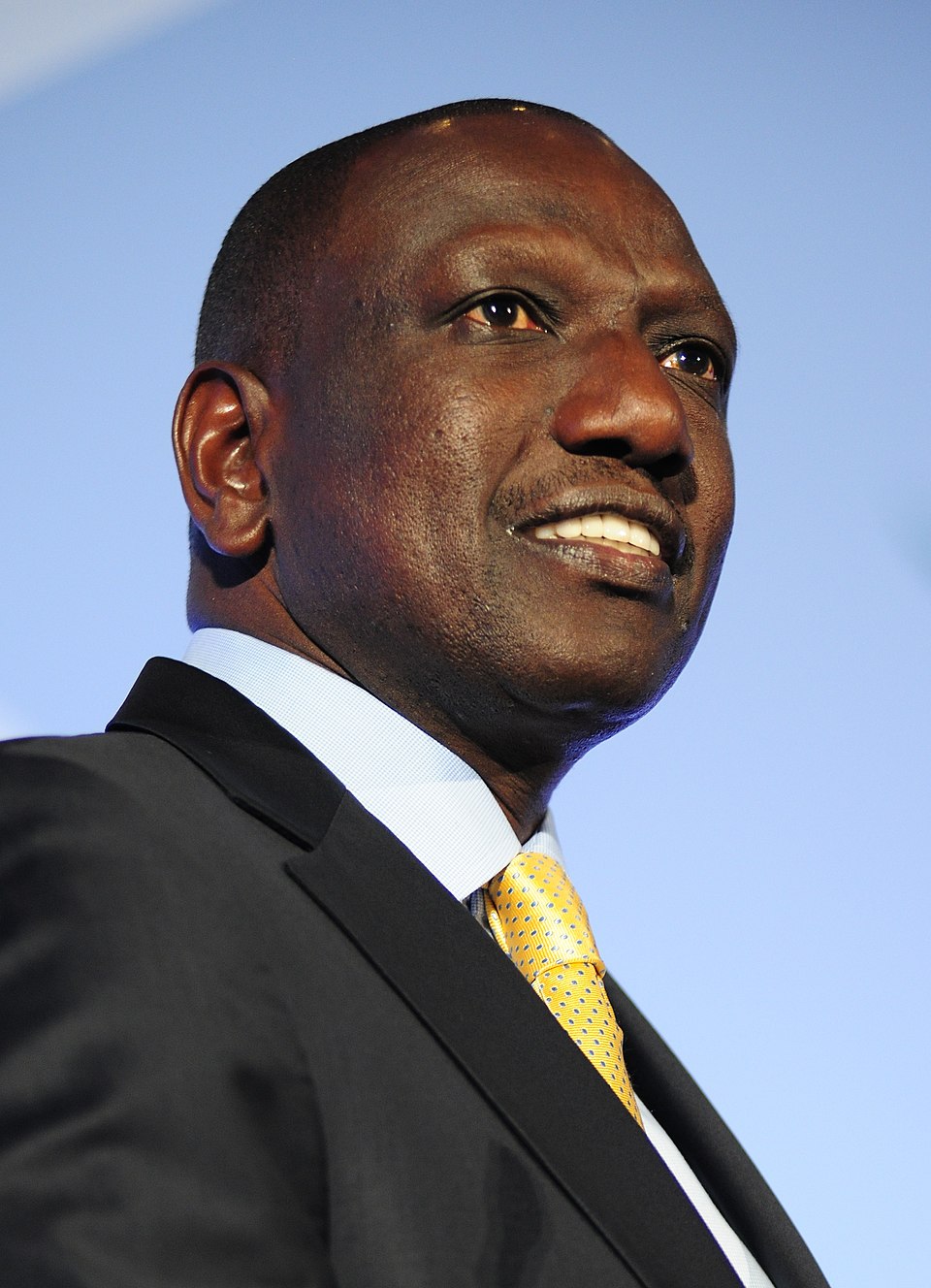
Concerns over police intimidation are growing in Kenya after the recent arrest of prominent human rights activist Boniface Mwangi. Although Mwangi has since been released, attention has shifted to the conduct of law enforcement, particularly following earlier comments by President William Ruto suggesting that police should “shoot protestors in the leg.”
These developments have only heightened tensions in a country already grappling with civil unrest, driven by public frustration over police brutality and government inefficiency.
Speaking to VOC News, Thelma Nyarhi, a researcher at the Democracy Development Programme, described the situation in Kenya as volatile. She noted that the youth-led protests have mobilised broader segments of society.
“It’s not a matter of just looking at the young people because now it’s not only the young people speaking, but it’s also even the older generation that is speaking,” stated Nyarhi.
The protests were initially sparked by widespread opposition to a controversial finance bill that proposed increased taxes on essential goods and services, including financial transactions. The bill provoked an immediate backlash, particularly from the youth.
This year’s demonstrations also commemorate last year’s protests, while highlighting continued police brutality.
According to Nyarhi, the protest movement now faces a critical juncture and must define a clearer path forward. She warns that simply demanding President Ruto’s resignation is not enough to bring meaningful change.
“The vision is what needs to be communicated now. Why are we fighting for certain things to be pushed for? There have been hashtags within the social media world, like one stating Ruto should go, and then what? What is the aftermath of that? As African citizens, it is something we need to be thinking through; it’s not just a matter of removing. When you are removing a certain faction or idea, what then comes next is what we should always be thinking about,” added Nyarhi
Listen to the full interview here:
Photo: World Trade Organization