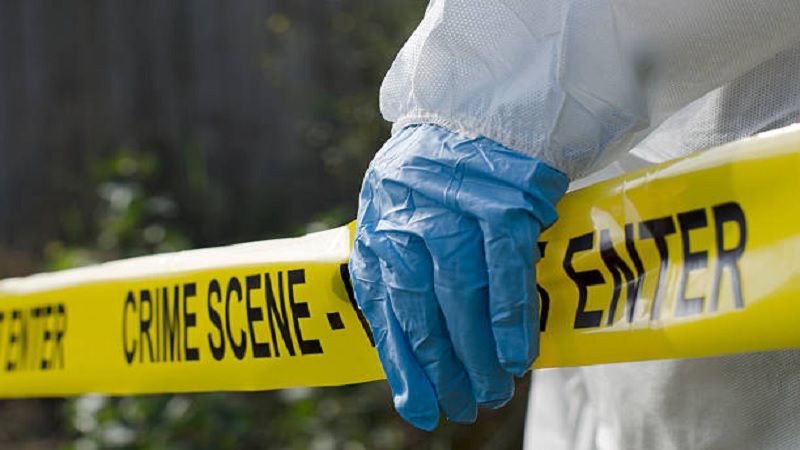
Western Cape crime activists argue that recently released crime statistics do not reflect the lived reality in many communities.
This follows the release of third-quarter crime figures by Acting Police Minister Firoz Cachalia, who reported a notable decline in violent crime. According to the data, murder decreased by 8.7% between 1 October and 31 December 2025, while overall violent crime dropped by 6.7% during the same period.
Cachalia briefed the media on Friday, presenting statistics for the third quarter of the 2025/26 financial year. The figures build on first- and second-quarter data published in November last year, covering the period from 1 April to 30 September.
The Western Cape provincial government has cautiously welcomed the 3.4% decrease in the province’s overall murder rate for the third quarter, a reduction of 41 cases compared to the same period previously.
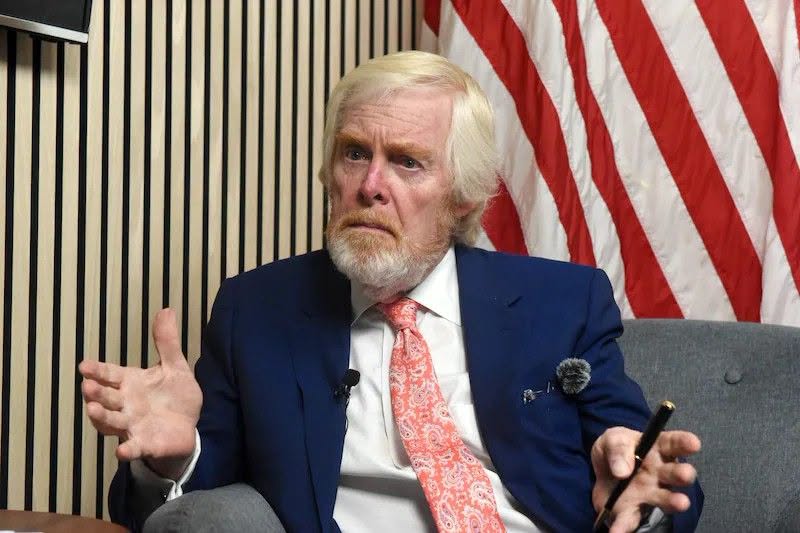
However, Dr Suhayfa Bhamjee, Senior Lecturer in Criminal Law at the University of KwaZulu-Natal, questioned whether the decline necessarily reflects safer communities.
“What this decrease indicates is that fewer cases are being reported to the police. The question that remains is why fewer cases are being reported. Is it because victims do not feel confident enough to report rape, assault or domestic violence?” she asked.
Bhamjee added that statistics alone can obscure the human impact of crime.
“Numbers and percentages remove the human factor. Where are the names and faces behind these figures? Without that connection — who, where and when — it becomes easier for communities to feel detached, as if the problem exists somewhere else, even when it may be happening on their doorstep.”
Activists maintain that while statistical declines are welcome, they must be matched by visible improvements in safety and trust between communities and law enforcement.
Listen to the full interview below:
VOC News
Photo: Pexels