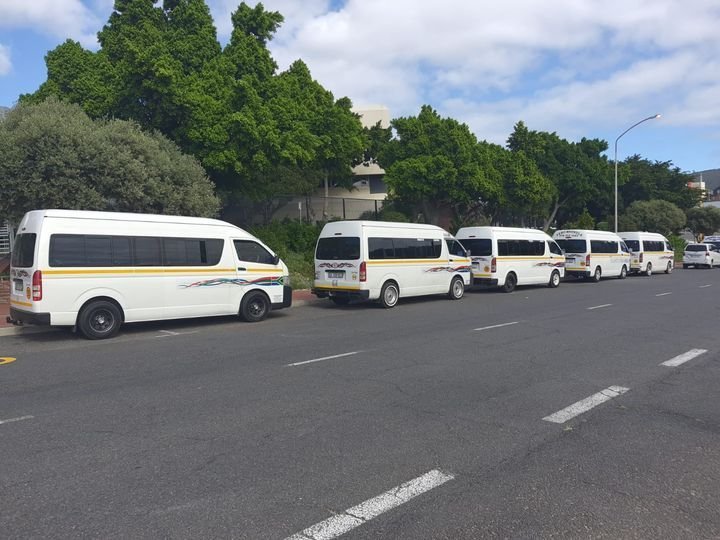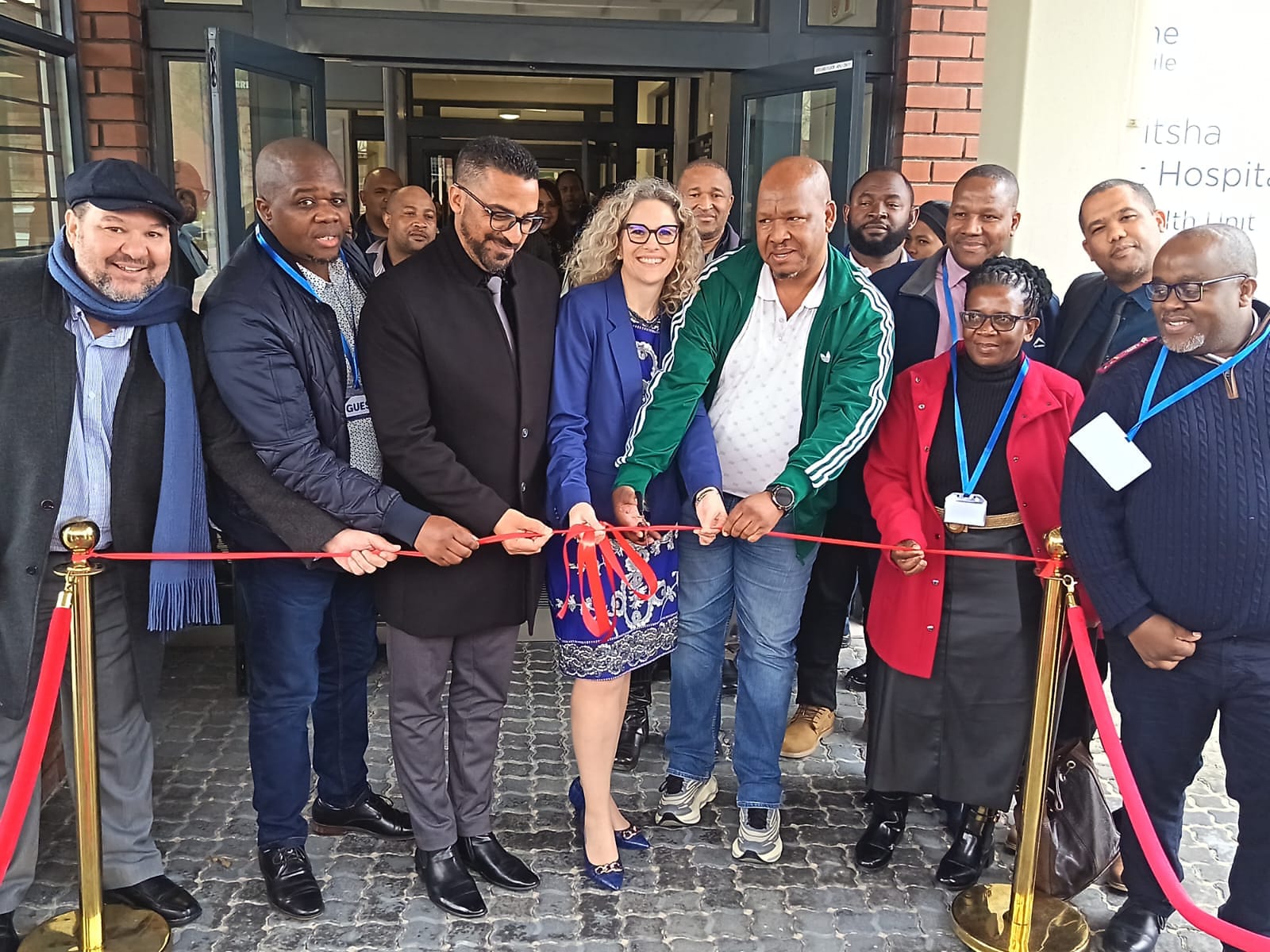
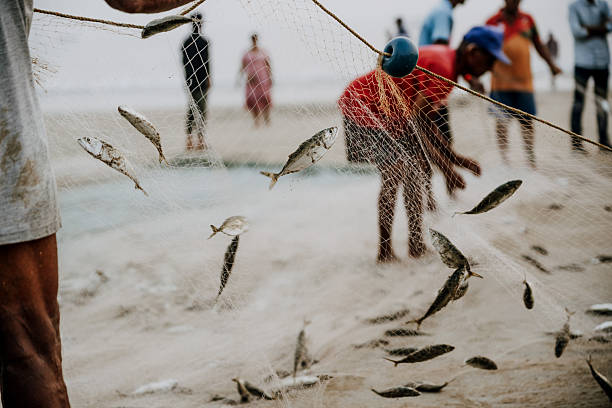
Small-scale fishers in Kassiesbaai, near Arniston, staged a placard protest at their harbour earlier this week after the government issued permits for only a fraction of the community’s vessels. Of the 17 boats in the area, just four received line-fishing permits, leaving dozens of families facing the loss of their primary source of income.
Rovina Europa, chairperson of the Waenhuiskrans Small-Scale Co-op and fisher herself, described the protest and the community’s frustration. “On Monday in Arniston, we went to picket the harbour and hand over a letter of demand to the small-scale officials there, the compliance officers,” she said.
“Two vessel permits were issued by the government, which is so shocking and really upsetting because we have more than two boats. In the previous season, we had 11 to 17 boats licensed. Now the government issued only two vessel licenses, which means only 16 people can go to sea, yet there are about 128 people in Arniston who rely on fishing. This is devastating.”
Europa highlighted the economic impact of the permit restrictions: “So what’s going to happen is that there will be poverty. People will not have an income to support their lives. This will not be sustainable because our livelihood depends 100% on the sea. The fishermen have no other jobs. Skippers will lose their jobs, and crew members will lose their jobs. Just imagine if 15 boats cannot go to sea, and there are eight people per boat, how many people will lose their income? A lot of people will be left without a livelihood.”
The protest underscores ongoing tensions in South Africa’s small-scale fishing sector, where access to permits is a critical lifeline. Community leaders are calling on government authorities to reconsider allocations to prevent widespread job losses and ensure the sustainability of local fishing communities.
Listen to the full interview below:
VOC News
Photo: Pixabay