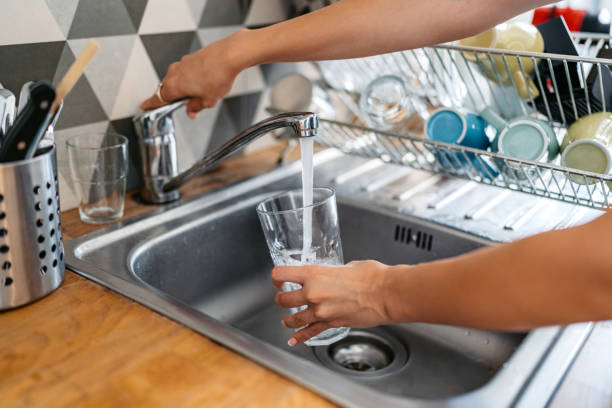
The Organisation Undoing Tax Abuse (OUTA) says that while the Water Services Amendment Bill is a step in the right direction, legislation alone will not fix South Africa’s failing water and sanitation systems. The organisation argues that weak governance and poor accountability at municipal level remain central to the crisis, and that meaningful reform will require stronger oversight and effective consequence management.
OUTA’s Executive Manager for Local Government Affairs, Julius Kleynhans, said the country already has a robust legal framework governing water provision. “We’ve got excellent water legislation already, as well as municipal legislation that requires municipalities to provide proper services,” he said, noting that municipalities are licensed and regulated to meet those obligations.
However, he added that enforcement has been inconsistent, allowing infrastructure and service delivery to deteriorate over time.
He believes the proposed amendments could strengthen the Department of Water and Sanitation’s role in addressing service backlogs.
Kleynhans said the changes may also enable partnerships with the private sector to professionalise service delivery and limit political interference at local level. “This amendment will give the department the ability to enter into public-private partnerships and, where necessary, assume responsibilities currently managed by municipalities,” he explained.
Despite this, he cautioned that legislative reform cannot replace political commitment. “If there isn’t proper political will to apply and implement the law, we may pass new legislation but still face the same problems,” he warned, adding that funds intended for service delivery have too often been diverted elsewhere.
OUTA maintains that while the bill could offer short- to medium-term relief, sustained accountability and decisive leadership will ultimately determine whether South Africa’s water crisis is resolved.
Listen to the full interview below:
VOC News
Photo: Pixabay