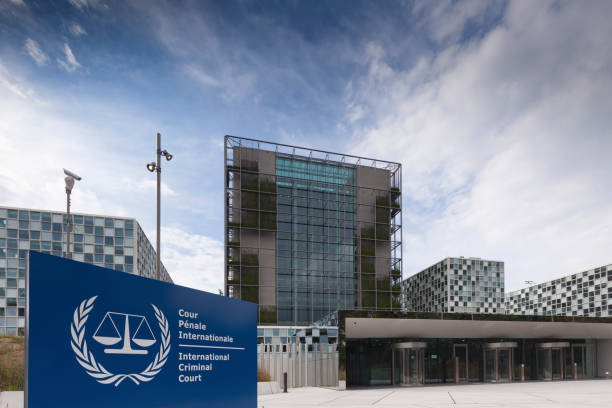
The Alliance of Sahel States (AES), comprising Burkina Faso, Mali, and Niger, has formally announced its withdrawal from the International Criminal Court (ICC), citing concerns over “selective justice.” This decision comes seven months after their exit from the Economic Community of West African States (ECOWAS) and the ECOWAS Court of Justice, highlighting a trend toward regional approaches to justice.
The move has sparked debate about accountability, impunity, and the future of international justice in Africa. Critics warn that withdrawing from the ICC could limit victims’ avenues for redress, particularly in countries facing ongoing allegations of war crimes and human rights abuses. The Alliance has indicated it plans to rely on local mechanisms to “consolidate peace and justice” within their countries, but questions remain about the independence and effectiveness of such systems.
Speaking to VOC News, Dr. Paul Kariuki, Executive Director of the Democracy Development Programme at the University of KwaZulu-Natal and Convener at the Africa Policy Circle, said, “It’s not very surprising to see them taking that approach. They have done quite a few things that are out of the norm in terms of African leadership, political leadership, and development.”
This measure adds to their long list of moves toward asserting independence as African states and raises many questions about the future of justice on the continent. It also reflects a growing trend of countries challenging the ICC and developing their own approaches to justice administration.
The withdrawal has broader implications for Africa’s role in international justice. These countries were among the first to ratify the Rome Statute and played a critical role in the court’s formation. While the ICC continues to operate in the region, a lack of cooperation from AES countries could complicate investigations and trials, potentially undermining efforts to ensure accountability for serious crimes.
Observers are now watching closely to see whether other African states will follow suit or continue to support a multilateral justice system that balances sovereignty with the responsibility to uphold the rule of law.
Listen to the full interview below:
VOC News
Photo: Pixabay