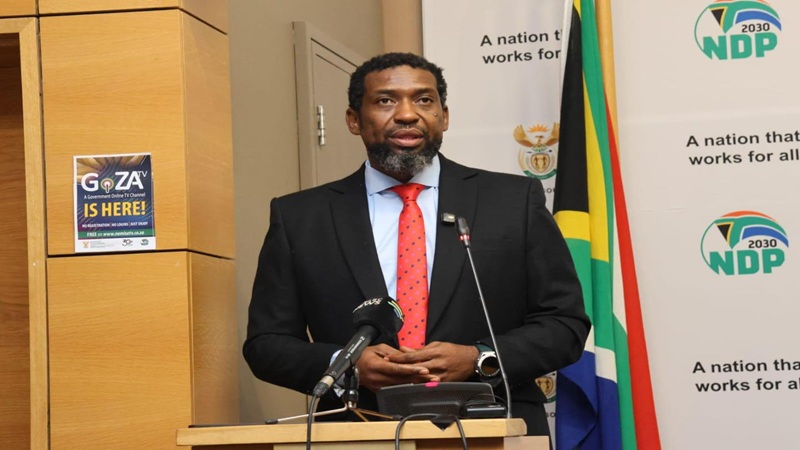
Higher Education and Training Minister Buti Manamela stated that government remains committed to driving economic growth, job creation, and poverty reduction through education and skills development. Delivering his department’s budget vote in Parliament, Manamela outlined plans to overhaul the country’s skills system through a dual training model that combines classroom learning with workplace experience.
He also stressed the importance of strengthening TVET colleges as centres for occupational and vocational training.
“The post-school system we now lead was not built overnight. The 2013 white paper for post-school education and training set the sector on its current footing. NSFAS, the consolidation of FET into TVET, and the establishment of CET, these are the architecture of our democratic project,” said Manamela.
The minister said the department’s budget is focused on ensuring education leads to employment opportunities, as many graduates continue struggling to enter the labour market while employers report ongoing skills shortages. He highlighted the need for stronger collaboration between government and industry to ensure training programmes meet workplace demands.
Manamela also called for improved use of skills levies managed by Sector Education and Training Authorities, known as SETAs, to better support unemployed youth and adult learners seeking a second chance at education.
“We also need some intervention as it relates to second chance opportunities that reconnect young people and adults to learning. SETAs receive billions of rands in skills levies. They must determine workplace and sector skills and ensure those needs inform industry-relevant curricula,” he said.
VOC News
Photo: Facebook/ DHET