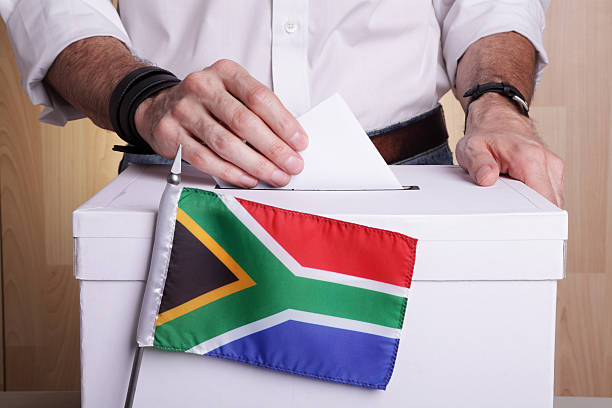
With local government elections approaching, a growing number of social media influencers are transitioning from online platforms into formal political roles, with some standing as candidates for councillor positions.
These individuals have built public profiles on platforms such as TikTok, Instagram, and X, often by engaging directly with communities, sharing opinions, and producing content linked to everyday social and local issues. Their move into politics raises questions about how digital popularity translates into governance and public accountability.
A recent VOC News poll suggests scepticism among voters, with approximately 80 percent of respondents indicating they would not consider voting for a candidate whose popularity was primarily built through social media or influencer platforms.
The trend has prompted debate among democracy advocates and political analysts about the changing nature of political participation and campaigning.
Executive Director of Defend Our Democracy, Naledi Kuali, said the increasing role of digital platforms reflects broader shifts in access and political engagement.
“We know the game has changed because more people have access,” Kuali said.
“What we are seeing is the impact of social media and digital influence on the South African political system. People are able to create their own platforms, share opinions, and engage directly with communities, sometimes without traditional party structures or filters.”
She noted that while this shift lowers barriers to entry into political discourse, it also requires voters and institutions to adapt.
“We need to be ready to engage in a different way,” Kuali said.
“The digital space creates a wider scope for participation, but it also raises questions about how influence is exercised and how accountability is maintained.”
Listen to the full interview below:
Political analyst Sandile Swana cautioned against viewing the trend solely through the lens of celebrity politics, arguing that influence plays a deeper role in shaping societal values.
“It is about influence. Society operates within paradigms that shape what we see as acceptable, desirable, or legitimate. Influencers increasingly play a role in shaping those paradigms.”
As election campaigns begin to intensify, analysts suggest the rise of influencer-politicians may test how voters assess credibility, experience, and leadership in an evolving digital political landscape.
Listen to the full interview below:
VOC News
Photo: Pexels