As the world marks three years since October 7, 2023, the ongoing genocide in Gaza continues to shape the political, humanitarian and social landscape of Palestine.
The period since October 7 has seen widespread destruction across Gaza, mass displacement and the deaths of hundreds of thousands of Palestinians, while the occupation and its impact on Palestinians remain at the centre of international debate.
Three years on, October 7 remains a defining moment in the history of Palestine, while the genocide in Gaza has also prompted renewed discussions around the world’s response to Al-Aqsa and the Palestinian struggle.
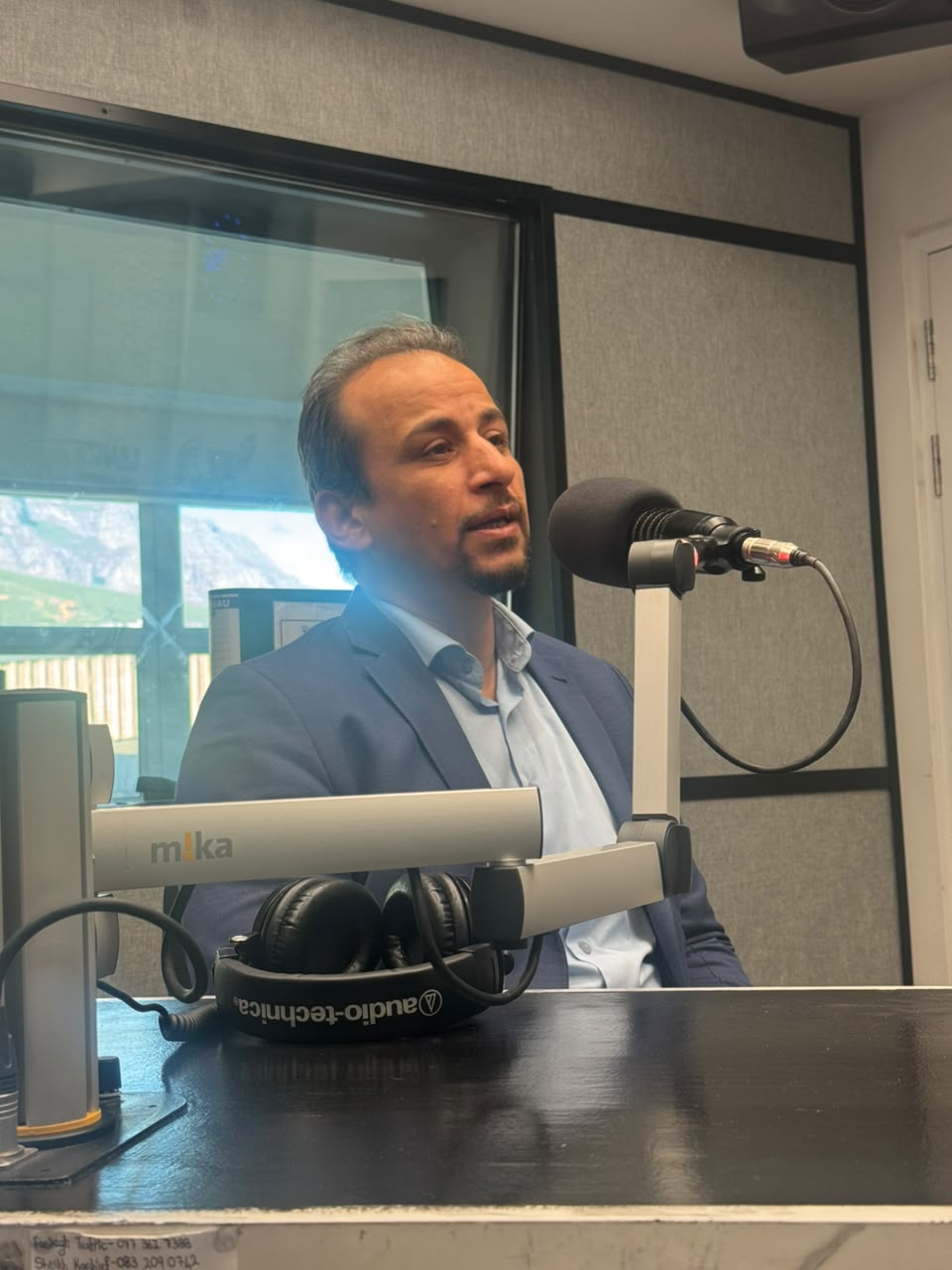
Speaking on VOC Breakfast, Palestinian academic Dr Khalid El-Awaisi reflected on his own experience at Al-Aqsa Mosque and the significance of the holy site to Muslims.
“The last time I visited Al-Aqsa, I felt ashamed to be part of the Muslim ummah when I saw a Zionist soldier attacking a Muslim woman with his teeth, like a vicious dog, inside the middle of the masjid.”
“Since the start of the genocide, I started feeling ashamed of our humanity. You know, humanity is watching, and we’re not doing anything.”
He says Al-Aqsa holds an additional significance for Muslims, linking the issue to both faith and the history of the Muslim ummah.
“Your Iman is not complete without Bayt al-Maqdis. When Al-Aqsa is in the hands of the ummah, the ummah is at its peak, and when we lose Al-Aqsa, we are at our lowest.”
El-Awaisi says the situation in Palestine should serve as a reminder of the importance of Al-Aqsa to the Muslim world.
Listen to the full interview below.
Photo: VOCfm