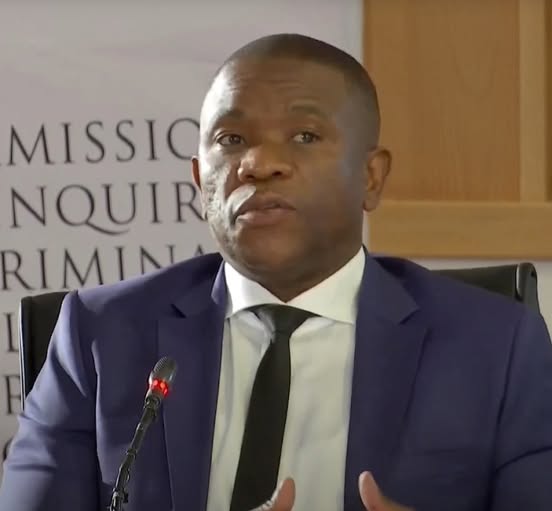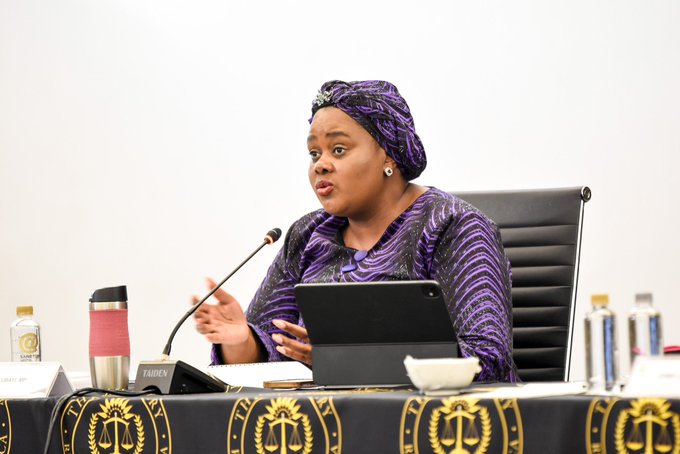

Amid rising crime and violence on the Cape Flats, the Muslim Judicial Council (MJC) convened a Crime Prevention meeting on Tuesday at its Athlone offices, bringing together key stakeholders including Western Cape Provincial Police Commissioner, Lieutenant-General Thembisile Patekile, members of the Ulama, Members of Parliament, and community activists.
The meeting aimed to confront the escalating violence plaguing communities in the Western Cape and to forge a more collaborative, strategic approach to crime prevention.
MJC President Sheikh Riad Fataar called for urgent and united action, warning that crime is eroding the very foundation of Cape society.
“We gather not as fragmented institutions but as one conscience facing a crisis threatening the very moral and social fabric of our province,” he said.
“The Cape Flats and the broader Western Cape are bleeding. Our communities are caught in violent syndicates, where fear shadows the dreams of our children.”
Fataar emphasised the role of religious organisations in safeguarding community dignity and well-being, adding that the MJC would not remain idle while vulnerable families suffer.
He called for the immediate mobilisation of specialised multidisciplinary task forces—including forensic analysts, financial crime experts, and gang investigators—supported by a strengthened prosecutorial unit with the capacity to process complex cases swiftly.
“While law enforcement targets foot soldiers, the true architects of this violence remain insulated,” Fataar added.
“We need a paradigm shift—one that lawfully disrupts and deconstructs gang leadership and command hierarchies. This requires intelligence mapping, lawful surveillance, and sustained operations not in a militarised vacuum, but with constitutional oversight and a community-informed strategy.”
Lieutenant-General Patekile welcomed the MJC’s efforts, noting the importance of partnering with faith-based institutions to address not only the symptoms but also the root causes of criminal behaviour.
“When a child is born, the religious fraternity is there to welcome that child. And when a person dies, the same religious community takes them to the grave,” he said.
“In between that life, religious communities support the individual. If that is the case, then we must collaborate to ensure that those who veer off the path are brought back through shared values and a renewed commitment to justice.”
The MJC handed over a memorandum to the provincial commissioner, who committed to providing a formal response within 14 days.
VOC News
Photo: VOCfm