
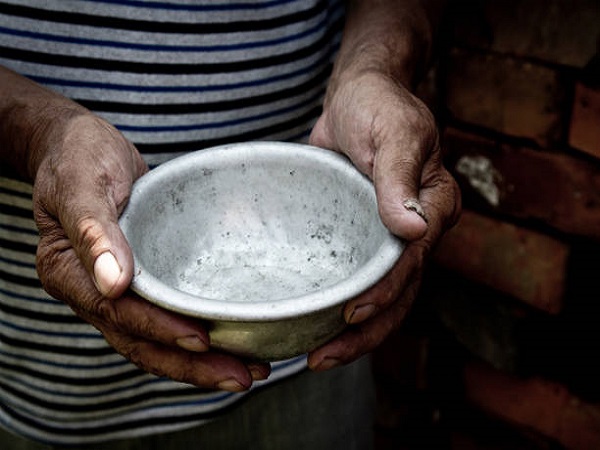
A recent report released by the Socio-Economic Rights Institute of South Africa (SERI) has revealed the extent of food insecurity among some of the country’s most marginalised communities. Drawing on insights from grassroots partner organisations such as the Inner City Federation the research reflects the lived experiences of farm workers, informal traders, domestic workers, and residents in low-income areas.
According to the report, over 23% of South African households consider their access to food inadequate or severely inadequate. While the country produces enough food nationally, many families continue to face hunger and malnutrition due to economic hardship, poor access, and policy gaps.
The report also highlights the “triple burden” of malnutrition undernutrition, hidden hunger caused by micronutrient deficiencies, and obesity. Startlingly, 70% of obese adults live in food-insecure households, showing a severe lack of access to affordable and nutritious food options.
SERI criticised government strategies that focus too heavily on land-based food production, pointing out that such initiatives are not always practical, especially in urban areas. Interviewees noted that people often know what healthy food is but simply cannot afford it forcing many to prioritise cost over nutrition.
To address the crisis, the report recommended that government adopt a legal framework enshrining the right to food and ratify the Optional Protocol to the International Covenant on Economic, Social and Cultural Rights. Additional recommendations include the introduction of a universal basic income grant, improved monitoring of food prices, equitable land distribution, and enhanced support for informal traders.
SERI also stressed the need for better wage enforcement and labour protections, particularly for women, who are disproportionately affected throughout the food system.
VOC News
Photo: Pexels