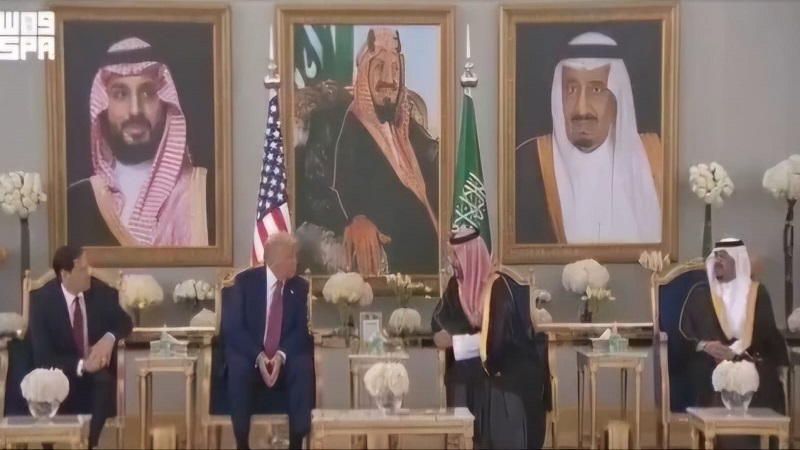
President Donald Trump kicked off his Gulf tour with a major announcement: the lifting of long-standing U.S. sanctions on Syria and the securing of a $600 billion investment commitment from Saudi Arabia into the American economy. This follows a prior agreement for a massive $142 billion arms deal, which the White House has described as the largest “defence cooperation agreement” in U.S. history.
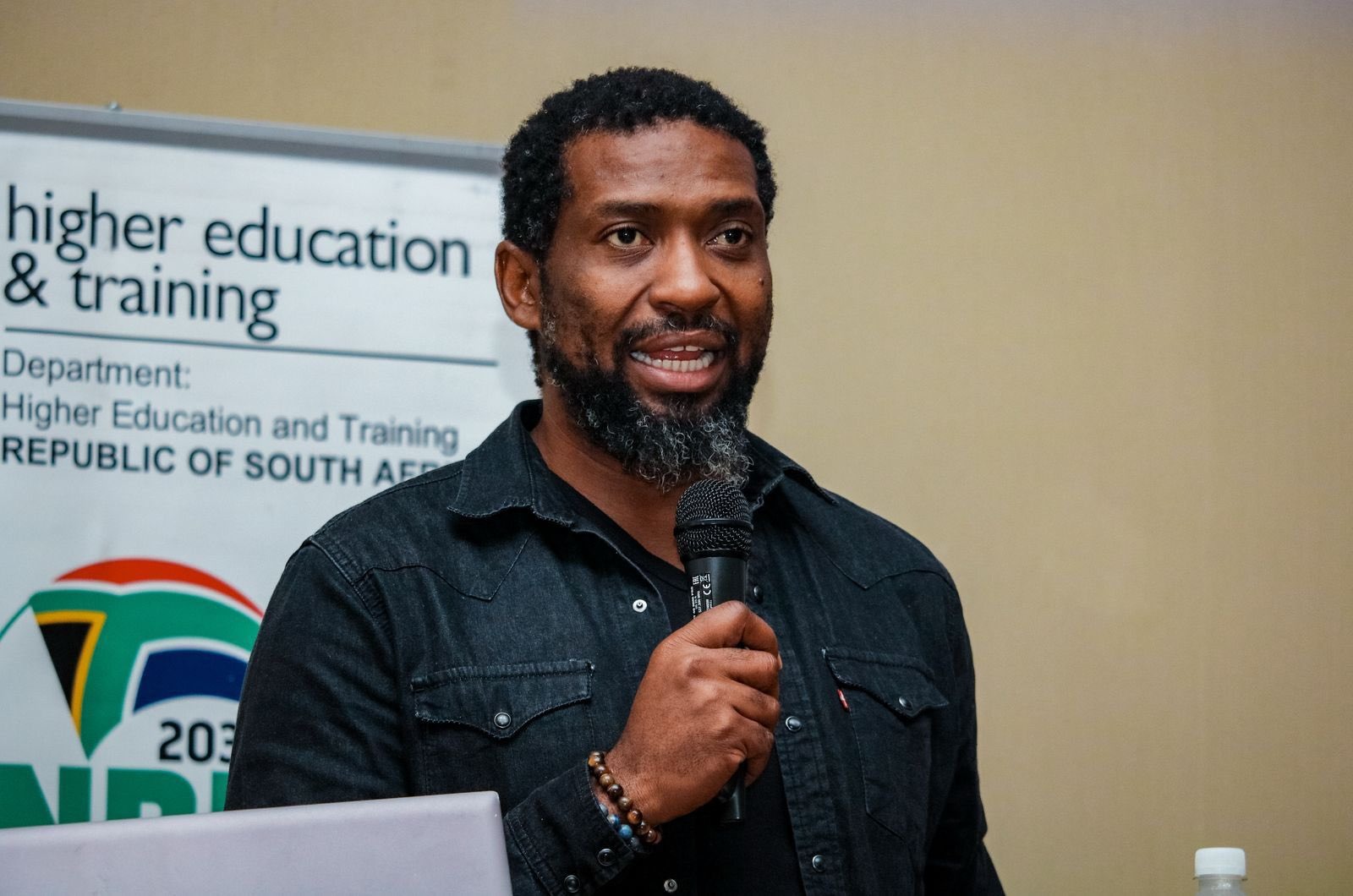
Reacting to the development, international relations scholar Dr. Oscar Van Heerden said the moves reflect Trump’s transactional leadership style. Speaking on VOC’s PM Drive, Van Heerden noted, “This is where Trump is most comfortable—he’s a businessman, a dealmaker. He is far removed from the everyday global politics of China or the refugee crisis. His landing a big deal in Saudi Arabia confirms this.”
Van Heerden explained that Trump’s motivations for the Middle East trip are primarily economic. “The U.S. economy has taken a beating, and Trump came into office trying to restore confidence amid a looming crisis. Aid to various countries was cut, and the justification was that America couldn’t afford generosity while its own citizens faced job shortages,” he said.
He added that this economic focus is also behind Trump’s push for tariffs and the return of manufacturing jobs to U.S. soil. “Everything has been impacted, except the military. That remains untouched and continues to be a pillar of Trump’s foreign policy strategy,” Van Heerden said.
The developments are expected to spark widespread debate, particularly concerning U.S. involvement in Middle Eastern conflicts and the ethical implications of lifting sanctions on Syria. However, for now, attention remains on the economic impact of the Saudi investment and the unprecedented scale of the arms agreement.
Listen to the full interview below:
VOC News
Photo: [screenshot: Trump during his tour in Saudi Arabia]