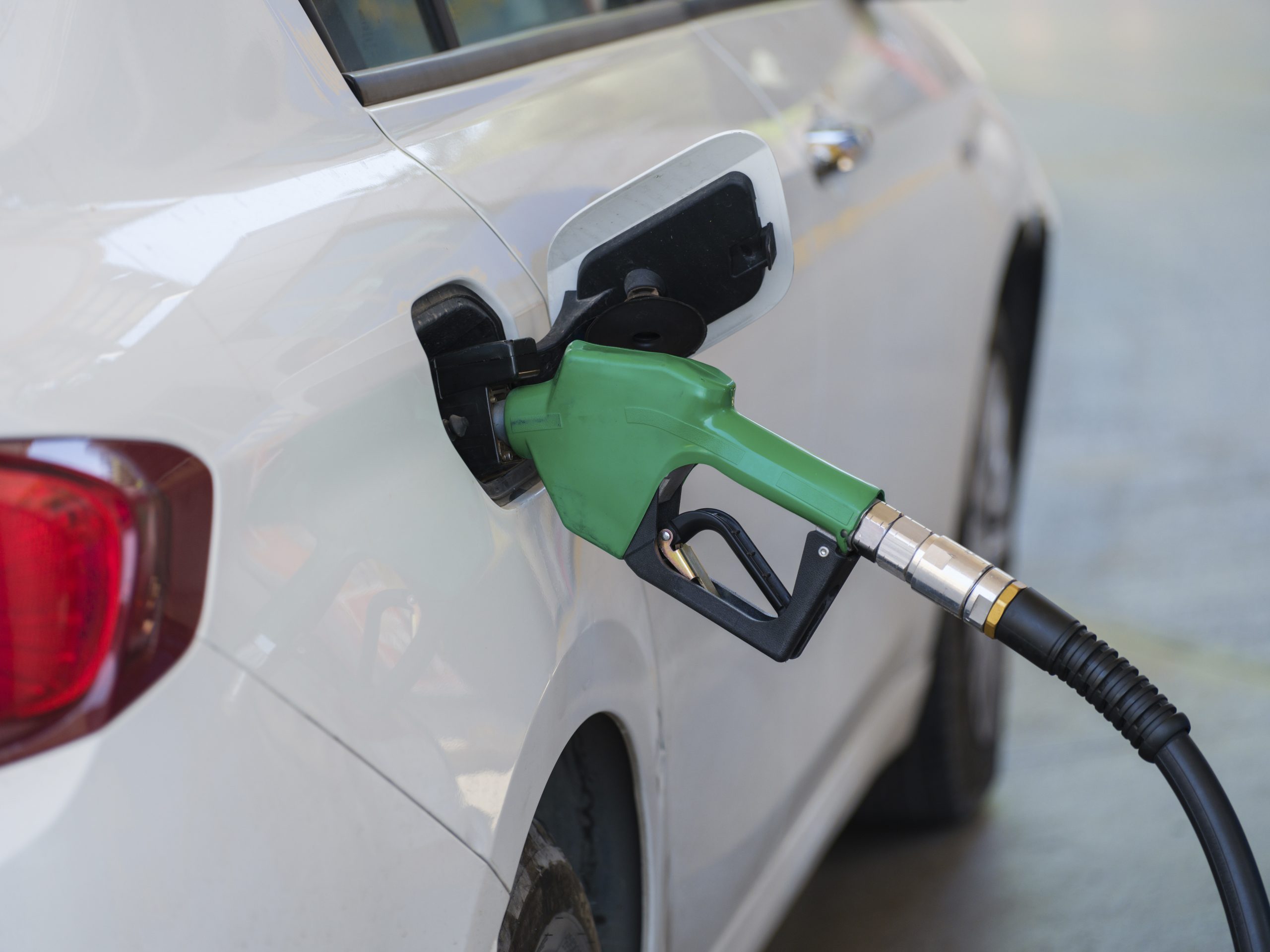
The escalating conflict in the Middle East is pushing global oil prices above $100 per barrel (approximately R1 668), with further increases expected. North West University Business School economist and Extraordinary Professor at the University of the Western Cape, Professor Raymond Parsons, warns that South Africa’s heavy reliance on imported oil could drive up fuel, transport, and fertiliser costs, putting added pressure on inflation and economic growth. He said that timely government intervention is critical to mitigate the impact.
“I think the important point is that we need to understand what these increases in oil prices mean for fuel costs and inflation,” Parsons told reporters. “Unfortunately, from the 1st of April, we are facing a triple whammy: the oil price increase, Eskom tariffs, and fuel levy adjustments, including the road accident fund and carbon taxes. That’s a lot hitting at once.”
Parsons stressed that while some costs, such as international oil prices, are beyond government control, measures like adjusting the fuel levy could help alleviate pressure. “In the past, we’ve suspended the road levy during crises. There are precedents, and although fiscal space is tight, the last budget had some unallocated funds. We may need to reprioritise to soften the impact on households and businesses, especially the poorer sectors of society.”
He called for a coordinated plan and clear communication, saying, “The public wants cohesive guidance on what the government can do. We need cooperation from the private sector to navigate what is a really bad piece of news that will loom by the end of the month.”
Parsons’ warnings highlight the vulnerabilities of South Africa’s economy to global shocks and underline the urgency for strategic interventions to protect households and businesses from spiralling costs.
Listen to the full interview below:
VOC News
Photo: Pixabay