By Odwa Mkentane
Following De Beers’ announcement that it intends to pause production at its Venetia mine in South Africa for two years, labour law expert Hugo Pienaar says the effects of the current economic climate, coupled with changing mineral demand and evolving business portfolios, are already being felt across South Africa’s mining sector. He notes that modified business strategies, asset sales and large-scale retrenchments are already underway.
The announcement follows confirmation by De Beers Group that it plans to reconfigure its global operating model to refocus and prioritise resources on its core operational businesses while reducing its central corporate cost base.
“At the forefront of employees’ concerns will be job security. The mining sector does not fall under a bargaining council and, as such, we assume that the announced production pause was agreed to with the majority or representative trade union at the mine. If not, and employees tender their services, the mine would generally be obliged to remunerate them unless their contracts of employment or a collective agreement provides otherwise. In other words, such agreements would need to make provision for circumstances in which the principle of ‘no work, no pay’ could be applied,” said Pienaar.
Pienaar added that if the intention is for the mine to resume operations in the future, there may be a requirement to place it under care and maintenance, with certain essential maintenance and operational staff retained on a short-time or reduced-work basis.
In a statement issued by De Beers Group, CEO Al Cook said the proposed action at Venetia follows the company’s decision earlier this year to pause the Tuzo Phase 3 expansion project at the Gahcho Kué mine in Canada.
“Consistent with recent actions to improve business resilience, De Beers intends to pause production at the Venetia mine in South Africa for two years to reduce costs while also rephasing capital expenditure on its underground project. This will involve critical infrastructure investment to enhance the capacity and efficiency of the mine, with the intention of supporting future production growth as business and industry conditions improve. De Beers is engaging with stakeholders in accordance with relevant requirements and the company’s values as it moves through this process, and will both support impacted employees and continue to invest in its community and Social and Labour Plan commitments,” Cook said.
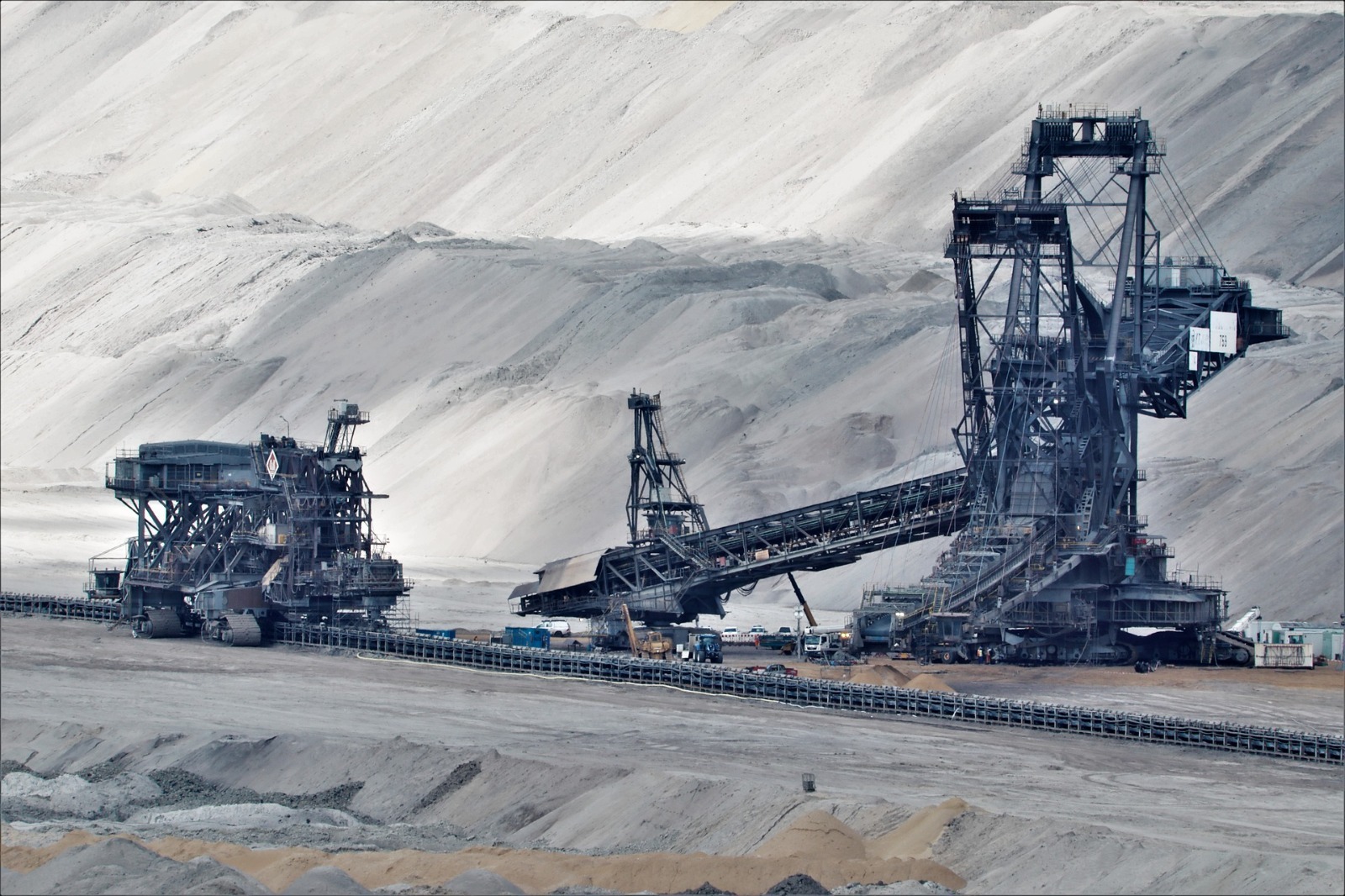
Photo: Pixabay
VOC