
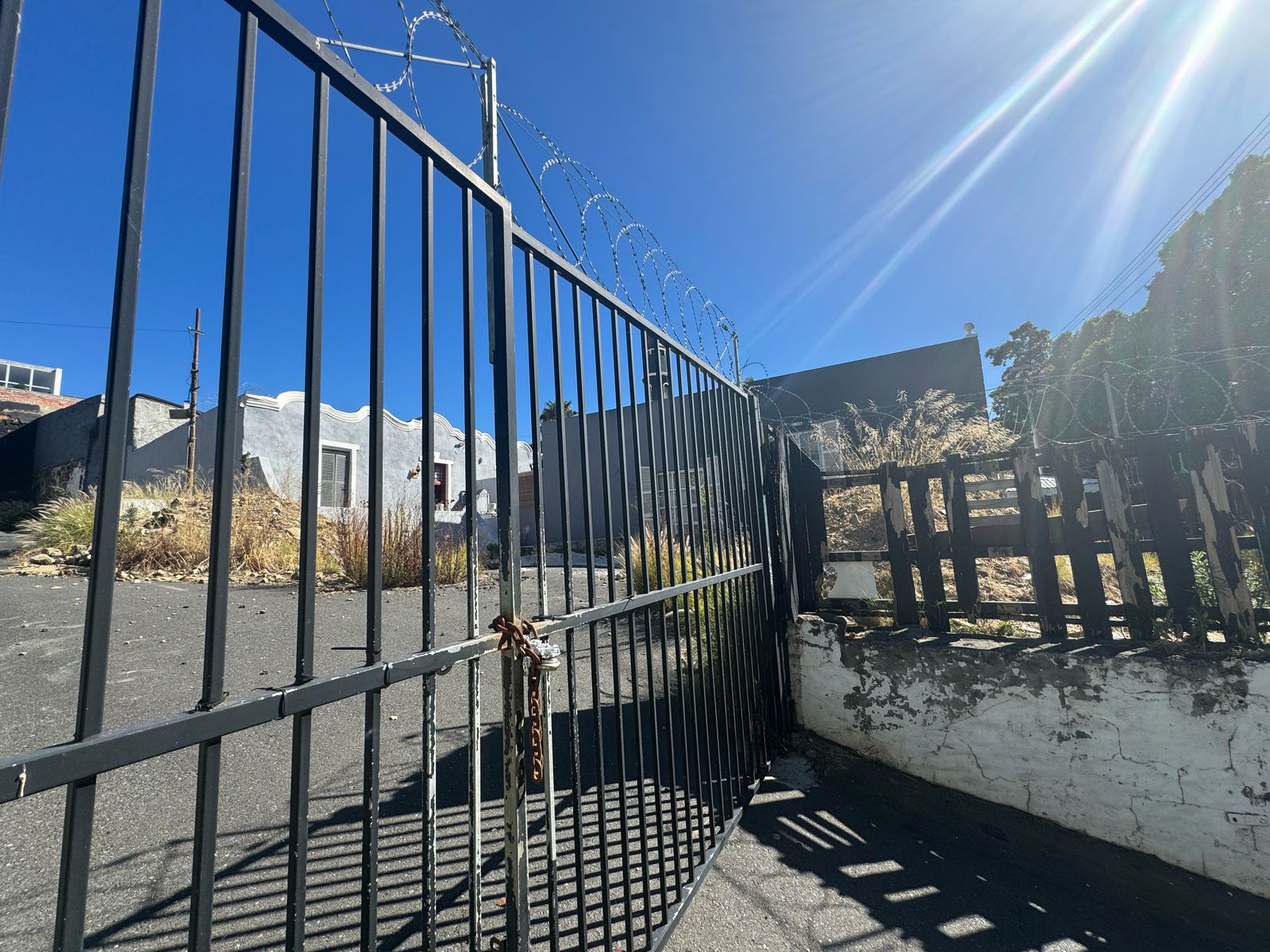
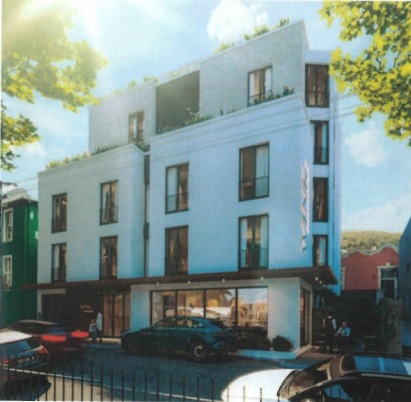
Cape Town Mayor Geordin Hill-Lewis has confirmed the Municipal Planning Tribunal’s (MPT) decision to approve a controversial six-storey hotel development on Buitengracht Street in the historic Bo-Kaap, just metres away from South Africa’s oldest mosque, the Auwal Masjid.
The approval follows years of tension between developers, residents, and heritage activists. While the original proposal featured a nine-storey structure, it was revised and scaled down after mediated consultations chaired by the South African Heritage Resources Agency (SAHRA).
Speaking on VOC’s News Beat, Hill-Lewis welcomed the process as a potential blueprint for future developments involving sensitive heritage sites.
“I’m sure there are still people in the community who are not happy with it. I’m sure the developer is not happy that he has to make the building smaller, but essentially there has been a compromise that everyone can live with, and it’s going ahead,” said the mayor.
He noted that while urban development is inevitable, heritage-rich areas like Bo-Kaap require special protection.
“There are many very special buildings, streets, and communities within the broader CBD that must be protected, and Bo-Kaap is one of the most special. We do not want to see its cultural history erased in the face of modern development, but we must find a balance.”
Flyt Property Investment, which purchased the land in 2017, said the primary objection was to the building’s height and pointed out that other nearby hotels are significantly taller.
To address community concerns, the City confirmed that a Memorandum of Agreement (MOA) has been signed to protect the Auwal Masjid from potential complaints related to the hotel’s operations.
“The development will not, at any time, object to or complain about any of the activities of the Auwal Masjid,” the City stated. “ Furthermore, no reports of disharmony have resulted from three hotels already within 100 metres of the Masjid, two of which are much larger than the proposed hotel.”
However, heritage advocates remain unconvinced. Dr Stephen Townsend, a heritage specialist who formally appealed the approval, warned that the project could set a damaging precedent.
“The reduction from nine to six storeys is welcome, but six storeys set into a very delicate and sensitive townscape, especially next to a small but important mosque, is shocking,” said Townsend.
“This is one of the first important decisions made within the Heritage Protection Overlay Zone (HPOZ), and I am very disappointed. It raises serious questions about the future of heritage management across Cape Town.”
The Bo-Kaap Civic and Ratepayers Association (BKCRA), which has been vocal in past campaigns to preserve the area’s heritage, said they are still reviewing the City’s final report and will respond in due course.
“BKCRA believes the living heritage of Bo-Kaap must always be protected. The sanctity of a national heritage, the Auwal Masjid, must be respected, and any development that accelerates gentrification must be rejected,” said BKCRA Chairperson Shaykh Dawood Terblanche.
VOC News reached out to Flytt Property Investment, the developer behind the project, for comment but did not receive a response by the time of publication.
VOC News
Photos: Supplied