
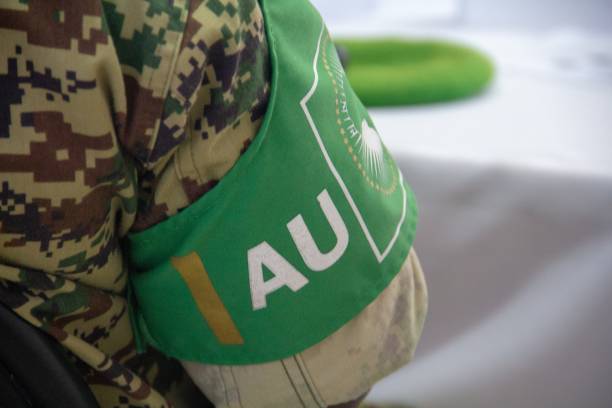
The 39th African Union Summit in Addis Ababa placed the spotlight on conflict resolution, institutional reform, and Africa’s position in a shifting global landscape, while drawing international attention to the continent’s evolving partnerships.
Leaders gathered to deliberate on political instability, economic cooperation, and governance challenges. The presence of Giorgia Meloni, who co-hosted a parallel Italy–Africa summit promoting the Mattei Plan, highlighted European efforts to strengthen cooperation on migration and development. The initiative aims to build more balanced partnerships with African states, though it has sparked debate about the continent’s autonomy in shaping its own agenda.
Commenting on perceptions of the gathering, Dr. Paul Kariuki of the Democracy Development Program and the University of KwaZulu-Natal said expectations remain high, but confidence is mixed.
“It is a telling statement that the African Union as a body itself is not able to stand out for the work that people are expecting,” he noted. Kariuki cited concerns over its capacity to curb unconstitutional power changes, resolve conflicts, and assert influence in global economic discussions.
He added that many Africans question the summit’s tangible impact. “It’s not far-fetched that the majority of Africans actually perceived this gathering as another talk show, which is sad to see.”
Despite criticism, the summit remains a key platform for dialogue on collective continental priorities. Observers say the challenge now lies in translating resolutions into measurable outcomes that strengthen governance, peacebuilding, and Africa’s voice in global decision-making.
Listen to the full interview below:
VOC News
Photo: Pixabay