Chief Director of Maties Sport at Stellenbosch University, Ilhaam Groenewald, said South Africa must look beyond celebrating athletes’ achievements and invest in the systems that support their development and long-term well-being.
Groenewald stated that university sport has played an important role in providing athletes such as Smith with a supportive environment. She also acknowledged that the broader sporting system has not always provided athletes with the conditions they need to succeed.
“I apologise as a sport administrator, not just to her, but to athletes like Matthew and others that have gone through this very sad experience and not having a conducive and a safe environment,” Groenewald said.
She pointed to research conducted at the 2024 African Games in Ghana, where 104 of the more than 440 participating athletes were student athletes. According to Groenewald, approximately 39% of those student athletes cited financial pressure as a factor that either forced them to leave sport or seek other opportunities.
She said these findings should serve as a warning about the challenges facing athletes who are trying to balance their sporting ambitions with financial security. Groenewald believes the issue extends beyond funding for competitions and training, arguing that athletes also need support that considers their lives after professional sport.
“The central lesson and the message must be for South Africa that we can’t just celebrate the sporting excellence, because it’s about investing in systems,” she said.
She added that sustainable structures must provide athletes with financial security, opportunities beyond their sporting careers and overall well-being. Groenewald said athletes cannot be blamed for seeking better opportunities elsewhere if the local sporting environment does not provide the necessary support. She believes retaining South Africa’s sporting talent will require a stronger commitment to building safe, supportive and sustainable high-performance systems.
VOC News has reached out to the South African Sports Confederation, Olympic and Paralympic Committee (SASCOC) for comment. No response had been received at the time of publication
Listen to the full interview below:
VOC News
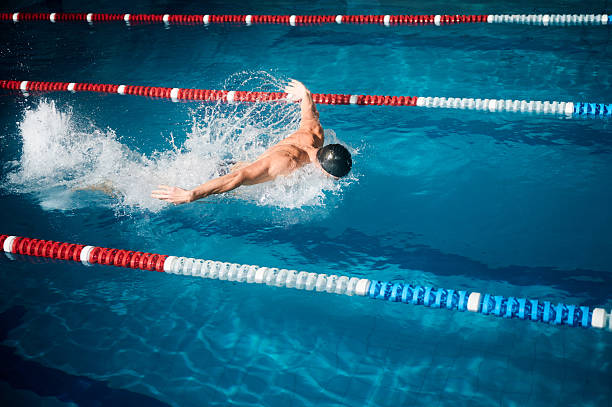
Photo: Pexles