
A collective of healthcare workers from diverse backgrounds across South Africa has strongly condemned the growing wave of xenophobic rhetoric and actions directed at migrants and refugees, warning of the serious humanitarian and public health consequences that could result.
“Our support for the plight of the Palestinian people has made us even more aware of, and sensitive to, the challenges faced by refugees and migrants in South Africa. During the 1948 Nakba (Catastrophe), more than 750,000 Palestinians were displaced from their homes and sought refuge in neighbouring countries,” said Healthcare Workers for Palestine (HCW4P).
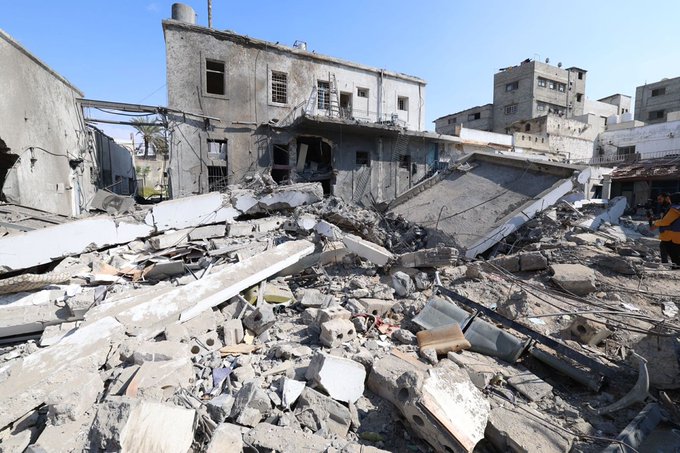
The group also highlighted the ongoing crisis in Gaza, where the vast majority of Palestinians have been displaced by the conflict in recent years, both within the territory and beyond its borders.
Drawing parallels with South Africa’s own history, the healthcare workers noted that many South Africans were forced to flee to neighbouring countries during apartheid to escape persecution. These countries provided critical support, including access to healthcare, shelter, food, and other essential services, while also applying diplomatic pressure on the apartheid government.
“These histories remind us of our collective responsibility to treat displaced people with dignity, compassion, and humanity,” the group said.
The healthcare workers expressed deep concern over calls by xenophobic organisations for so-called “illegal immigrants” to leave South Africa by 30 June 2026.
They rejected claims that migrants are responsible for unemployment and pressure on public services, arguing that migrants constitute less than five percent of the country’s population and cannot reasonably be blamed for the challenges facing the public healthcare system.
The group further emphasised that the causes of unemployment, poverty, and service delivery failures are complex and systemic, and cautioned against scapegoating vulnerable communities for broader socio-economic challenges.
Photo: WHO